Hilo Monthly Stays: Rain, Laundry and Home Care
Plan a Hilo monthly furnished stay with wet-weather arrival, laundry, ventilation, and maintenance questions tailored to calendar-month living.
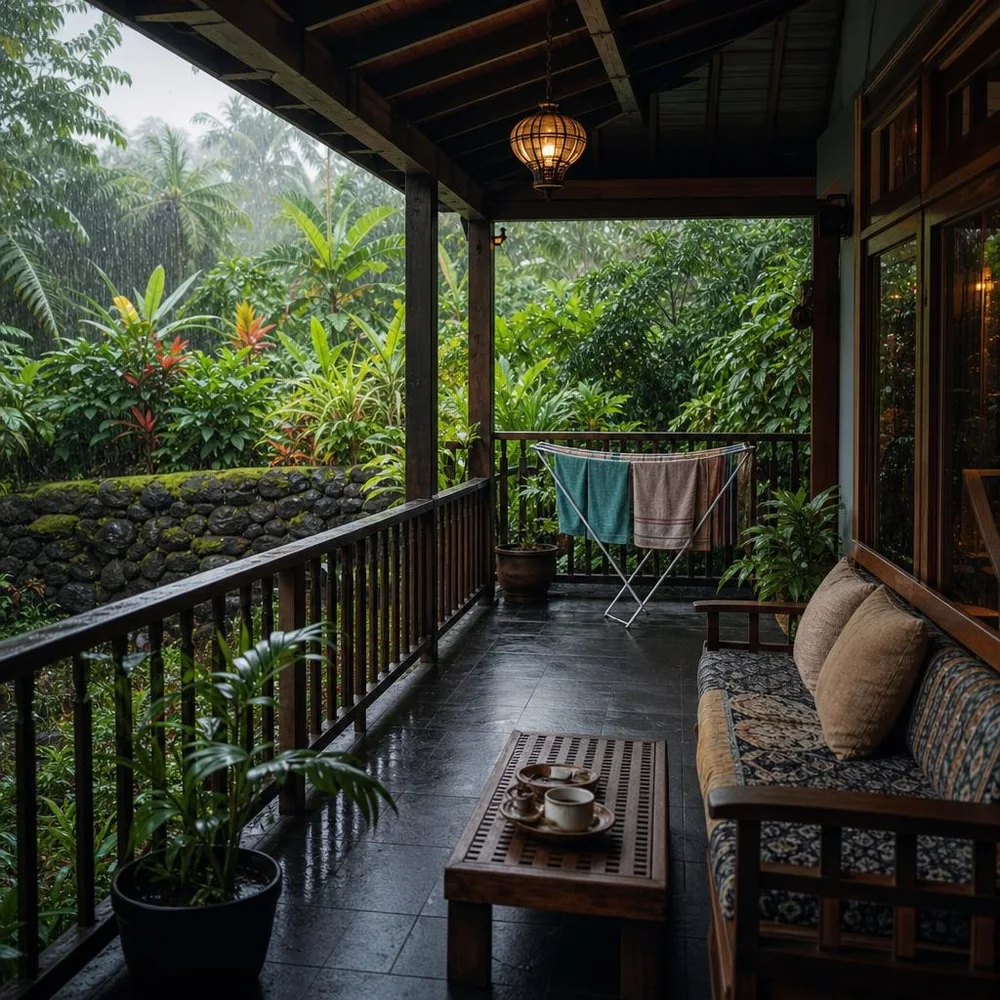
A Hilo monthly furnished stay asks different questions than a short vacation booking. In East Hawaiʻi, rain is not a side note; it shapes how you store shoes, dry towels, keep air moving, and decide what kind of place will feel manageable for a calendar month or longer. If you are using to search for a furnished stay in Hilo, the useful question is not whether a place looks pleasant in photos, but whether its layout and agreement terms can handle damp arrivals, repeated laundry cycles, and routine upkeep without turning daily life into a chore.
 to search for a furnished stay in Hilo, the useful question is not whether a place looks pleasant in photos, but whether its layout and agreement terms can handle damp arrivals, repeated laundry cycles, and routine upkeep without turning daily life into a chore.
Why Hilo changes the monthly-stay conversation
Hilo’s setting on the windward side of the island of Hawaiʻi means moisture is part of ordinary life, not a temporary inconvenience. That matters when you are comparing a month-long furnished rental with a hotel, a resort, or a shorter stay. Hotels can be easier for a few nights because linens, towels, and housekeeping are built into the stay. A furnished monthly rental is different: you are living with the property’s laundry setup, airflow, and maintenance boundaries for the whole agreement term. In Hilo, that makes covered outdoor space, dehumidifying habits, and clear owner communication more important than decorative details.
This is also where calendar-month timing matters. is for stays of a calendar month or longer, so February can be a full-month stay, and exact start and end dates matter. If your schedule is flexible by a few days, ask how the written agreement handles those dates, any written extension, and what happens if your travel plans shift. A good Hilo match is one where the stay terms fit your calendar as carefully as the unit fits the climate.
Arriving in wet weather without making a mess
Hilo arrivals often involve rain at the airport, damp roads, and the practical reality that luggage, groceries, and clothing may arrive wetter than expected. The first hour in the home can tell you a lot about whether the place was set up for real occupancy or just staged appearance. Ask where wet items can be placed immediately, whether there is a covered entry or lanai, and whether the flooring can handle tracked-in moisture without becoming slippery or hard to clean. If you are arriving with a surfboard, outdoor gear, or multiple suitcases, the path from car to entry matters almost as much as the bedroom does.
A monthly guest also benefits from knowing how to ventilate after arrival. In a humid climate, it is reasonable to ask whether windows have screens, whether ceiling fans are functional, and whether there is any guidance on using AC, if present, to reduce condensation. Those are not luxury questions; they are habit questions. If the place smells stale when closed up, or if closets and drawers seem prone to dampness, that is a sign to ask more before agreeing to the stay.
Laundry is a household system, not an afterthought
For a monthly furnished stay, laundry access can shape the whole experience. In Hilo, the issue is not only whether a washer and dryer exist, but whether they are convenient enough to use regularly and whether the home gives you a place to dry items that are not ready for a machine cycle. A small drying rack on a covered veranda may be more useful than a dryer that is hard to reach or shared in a way that slows everything down. If linens and towels stay damp, that becomes a ventilation problem as well as a laundry problem.
- Ask whether the washer and dryer are inside the unit, shared, or located outdoors under cover, and whether you are expected to supply detergent or other basics.
- Ask where to dry rain-soaked clothes, beach towels, or delicate items, and whether the landlord expects any particular method to protect floors, walls, or railings.
If you are staying for a calendar month or longer, laundry frequency also affects the agreement itself. A place may look comfortable for a weekend but become awkward when you need to wash bedding, rotate towels, and manage damp clothing several times a week. The most useful conversation is not about whether laundry exists in theory, but whether the actual setup supports ordinary monthly living in a humid place.
Ventilation, mold questions, and what to ask before you commit
Because Hilo is wet, ventilation questions are not excessive; they are central. Ask how the home handles air movement during rainy stretches, whether there are fans in bedrooms and common areas, and whether windows can be opened safely when weather allows. If a property has older wood details, enclosed storage, or lower airflow, that does not automatically make it unsuitable. It does mean the renter should ask how the owner expects the space to be maintained and what day-to-day care is included in the arrangement.
This is also where maintenance boundaries matter. A furnished monthly rental is not a short-stay hotel with daily cleaning, and it is not the renter’s job to solve hidden building problems. You should be clear about what you are expected to do if you notice humidity buildup, a slow drain, a leaking window, or appliances that affect drying and ventilation. The point is not to diagnose the home yourself. The point is to know who handles ordinary upkeep, how quickly issues should be reported, and whether the agreement describes that process in writing.
Owner maintenance boundaries in a monthly stay
For a Hilo monthly stay, the cleanest arrangement is one where the owner’s responsibilities and the renter’s responsibilities are separated in plain language. That usually includes who replaces basic supplies, who handles repair calls, who checks filters or fans if that is part of the routine, and what the renter should not try to fix. In humid weather, small issues can become bigger if nobody knows whether the owner wants immediate notice or only notices about major damage. A careful agreement avoids that confusion.
A monthly renter should also ask whether there are house rules for drying gear indoors, using lanai rails or hooks, or keeping doors open for airflow. These rules are not necessarily burdensome; they are part of living in a place where weather affects materials. If the owner has a maintenance contact, ask when that person is reachable and how emergencies are handled. That is especially useful in a furnished stay where you may not have your own tools, spare parts, or backup furniture.
Hypothetical household example
For example, a hypothetical two-person household arrives in Hilo for a six-week calendar-month-plus stay. They need one remote-work corner, one bedroom, and enough laundry capacity to dry clothes after rain-heavy errands. They are comparing two furnished options through . One has polished interiors but no covered drying area and only a window unit in the living room. The other has a simpler finish, a covered lanai, ceiling fans, and a laundry setup that is easier to use weekly. The second home may be the better monthly fit even if it looks less dramatic in photos, because the practical tradeoff favors dryness, airflow, and routine care over appearance.
That same household should ask how the written agreement treats extensions. If one person’s work trip changes by a week, can the stay be extended in writing, or would they need to move? A monthly arrangement works best when the property’s daily systems and the contract’s timing are both flexible enough for real life.
A simple decision framework for Hilo
Use this framework when comparing furnished monthly stays in Hilo: first, decide whether the unit’s drying and ventilation setup matches the way you actually live; second, confirm whether laundry access is practical enough for a month or more; third, read the agreement for dates, extension terms, and maintenance responsibilities; fourth, compare the property to a hotel only on the point that matters for you, such as privacy, cooking, and routine care; fifth, choose the option that reduces friction in wet weather, not the one that merely photographs well.
- If you want a low-maintenance arrival, prioritize a covered entry, easy laundry access, and clear owner contact over extra square footage or decorative features.
- If you expect to work, cook, and stay indoors often, prioritize airflow, storage for damp gear, and written maintenance boundaries over short-stay convenience features.
If you are still gathering options, you can use the search page to look for monthly furnished stays that fit your dates, then contact property providers with the questions that matter for Hilo living. Owners who want to present a place for calendar-month guests can use list your place to connect with renters who are specifically looking for longer furnished stays, not nightly bookings.
Arrival and agreement checklist
Before you finalize a Hilo stay, use this checklist to keep the arrangement practical and clear:
- Confirm the exact start and end dates in writing, including what must happen if you need a written extension.
- Ask whether the home has a covered place for wet shoes, umbrellas, and luggage on arrival.
- Verify the laundry setup, including where clothes can dry during rainy weather.
- Ask how ventilation is handled and who should be contacted if dampness, leaks, or appliance issues appear.
- Clarify which upkeep tasks belong to the renter and which belong to the owner or manager.
- Review any house rules about open windows, fans, lanai use, or gear drying.
- Compare the stay with a hotel only to understand the tradeoff: more routine independence versus less built-in service.
Hilo can be a deeply workable place for a furnished monthly stay when the home matches the climate and the agreement matches the calendar. The best choice is usually the one that makes rainy arrivals easy, laundry routine, and maintenance expectations unmistakable. For a broader state-wide perspective on furnished monthly living in Hawaiʻi, see the older guide Furnished Monthly Rentals in Hawaii and verify there how the article frames different island contexts before you narrow your Hilo search.
Make your next month feel more settled.
Related reading

Moving to Oahu: What to Ship and What to Leave Behind
A focused Oahu moving guide on shipping choices, plant and pet rules, arrival paperwork, and what to leave behind before you send a container.

A relocation checklist for your temporary home
A steady, step-by-step plan for finding a place, organizing arrival and making the first few days in a new city less hectic.