
Short stays & monthly living
Birmingham Move Delays: A Flexible Furnished Rental Plan
Plan a Birmingham and Hoover furnished stay for a delayed home closing, with month-long terms, hotel backup options, mover timing, storage, and overlap costs.
Practical reading on business opportunities, technology, relocation and furnished monthly living. Search a subject, choose a state or browse by guide.
186 articles
Plan a Birmingham and Hoover furnished stay for a delayed home closing, with month-long terms, hotel backup options, mover timing, storage, and overlap costs.

Plan an Anchorage seasonal assignment with better sleep, grocery access, and an exact-date monthly furnished rental agreement tailored to changing daylight.

How to judge a Tucson furnished casita’s courtyard, entrance, noise boundaries, and outdoor rules before choosing a calendar-month stay.

Compare a shared furnished apartment in Little Rock for two interns, from roommate consent and bathroom routines to transit choices and deposit terms.

Compare San Diego short-stay lodging with a furnished calendar-month base for relocation, including timing, flexibility, and agreement questions to ask.

Plan a Fort Collins furnished monthly stay between graduation and a job start, with exact dates, storage choices, desk setup, and agreement checkpoints.

Use a short Stamford reconnaissance visit to compare errands, offices, and neighborhoods before choosing a monthly furnished rental for a longer stay.
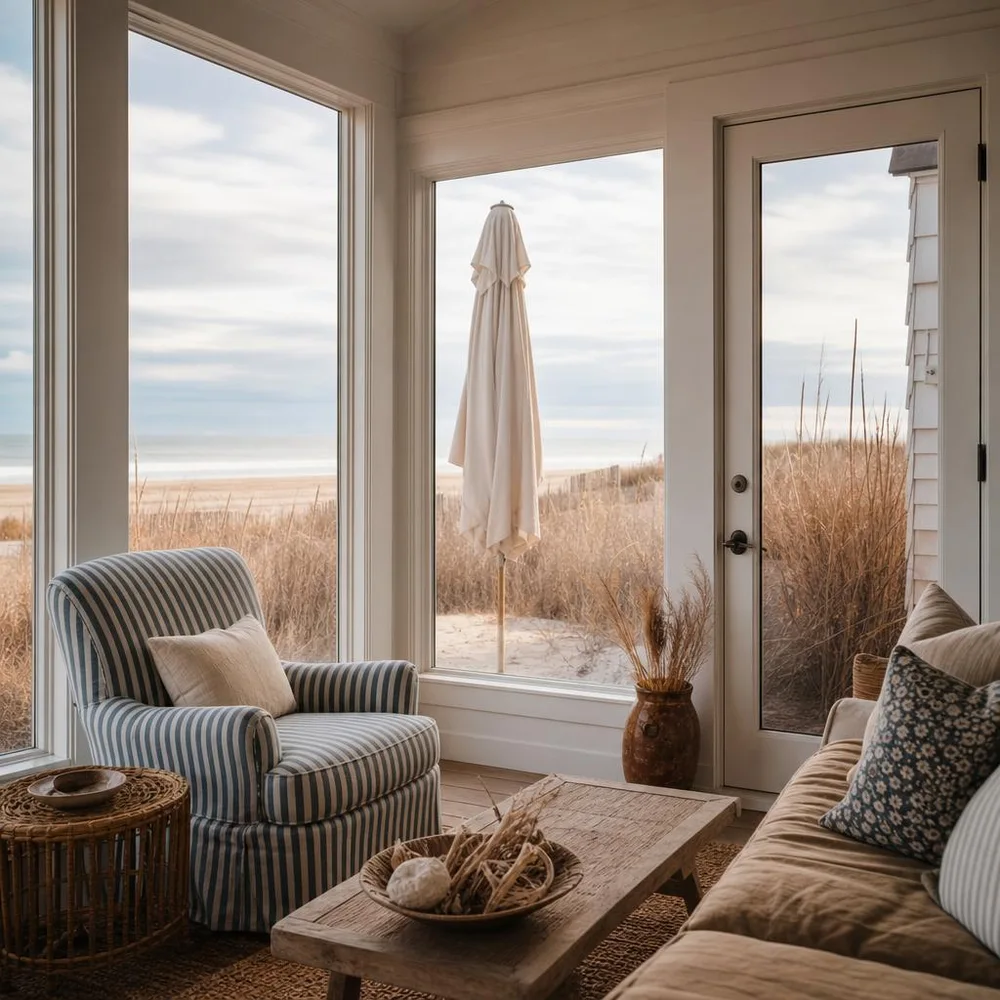
Plan an off-season Rehoboth Beach monthly base with a focus on groceries, services, parking, maintenance, and building rules for calendar-month stays.

Plan a Tampa furnished monthly stay during repairs, with schedule buffers, insurer questions, school and work routines, and a practical agreement checklist.

Plan an Atlanta monthly furnished rental for two working adults with separate job sites, workspace needs, household-cost tradeoffs, and a practical agreement checklist.

Plan a Hilo monthly furnished stay with wet-weather arrival, laundry, ventilation, and maintenance questions tailored to calendar-month living.

A practical guide to Coeur d’Alene month-long furnished stays between peak seasons, with service checks, storage questions, work routines, and owner review tips.

Plan a Champaign monthly stay around lecture prep, household arrivals, grading time, and campus logistics with practical tradeoffs for visiting lecturers.

Plan an Indianapolis monthly furnished stay around event work, with storage, recovery time, parking permission, and extensions beyond a single busy weekend.

Plan a Des Moines furnished monthly stay with a cat by checking written pet terms, screens, cleaning expectations, furniture protection, and vet continuity.

Plan a Lawrence monthly home base with desk quality, quiet hours, reference access, and household routines in mind, without assuming university access.

Plan a Louisville monthly furnished rental around time away from home: access, packages, utilities, guest use, extensions, and clear monthly terms.

How Baton Rouge project teams can weigh one shared house against separate furnished stays, with agreement, responsibility, and worksite-travel questions.

How to judge a Portland, Maine furnished room or studio with limited cooking: appliances, groceries, storage, and true monthly costs versus eating out.

Learn how to assess Baltimore furnished row houses for shared entry, interior separation, laundry, and visitors, and how to tell a room stay from an entire-home rental.

Plan a Worcester training rotation with exact dates, commute questions, early arrival timing, and clear documentation for monthly furnished stays and expenses.

A practical guide to Traverse City monthly furnished living in shoulder season, with maintenance, errands, visitors, and schedule flexibility for longer stays.
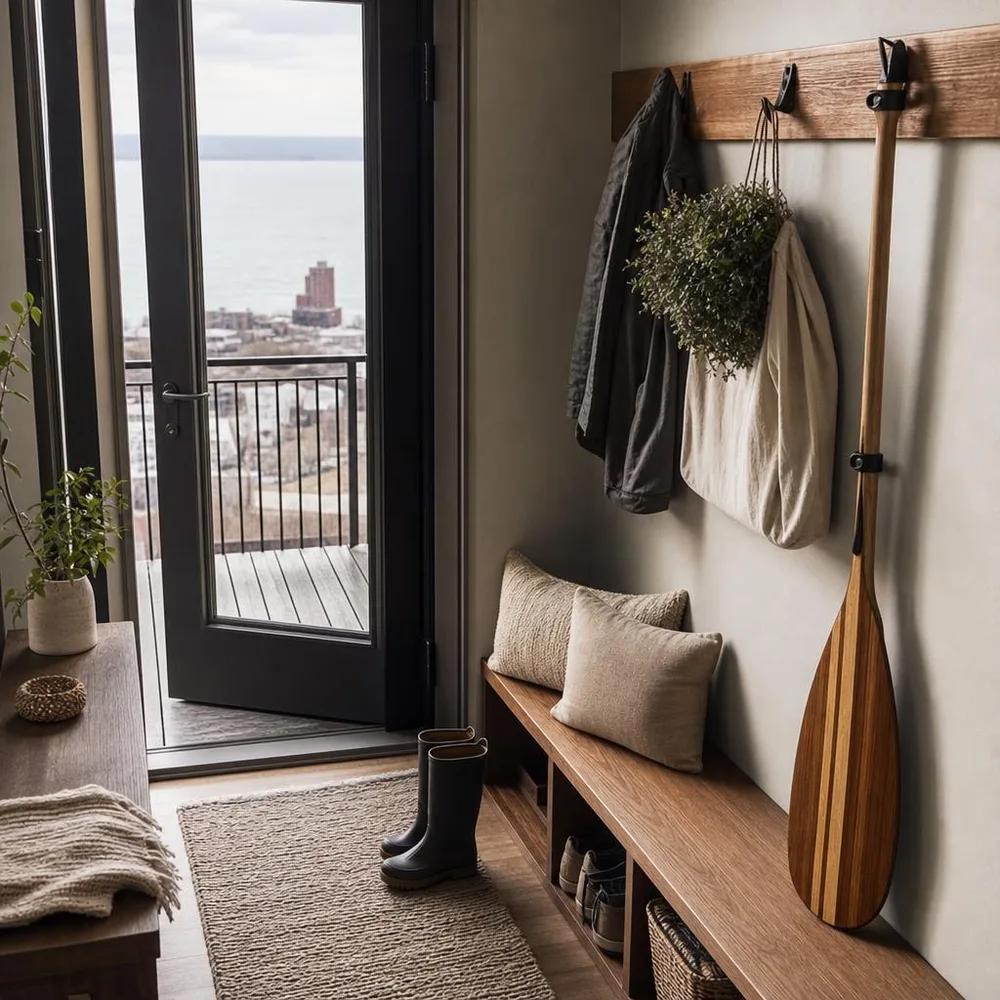
Plan a Duluth monthly furnished stay around wet coats, gear storage permission, entry flow, and protecting surfaces before you commit to a long stay.

How to evaluate Biloxi monthly condos and apartments by elevator access, guest rules, storm communication, and maintenance contacts before you sign.

Plan a month in St. Louis near relatives with clear bedroom, parking, visiting-hours, and household-boundary expectations for a furnished stay.

Use a Missoula monthly stay to test errands, work setup, and seasonal routines before a move, while comparing furnished month-long housing with short-stay options.

Compare Lincoln private rooms and apartments for a first job away from home, with budgeting beyond rent, essentials to confirm, and a first-two-weeks plan.

How Reno monthly renters can line up shifting schedules with laundry access, quiet rules, light control, delivery timing, and flexible stay terms.

Plan a neutral Manchester, New Hampshire monthly furnished stay with practical guidance on mail privacy, documents, children visiting, and agreement terms.
Plan a Princeton monthly family stay with separate sleeping space, childcare logistics, work routines, and occupancy questions for a careful long-stay agreement.

Plan an Albuquerque monthly furnished stay around a delayed home handover, with storage, extension planning, package handling, and uncertain move-in dates.

A Buffalo monthly-stay guide on snow-clearing duties, entry routes, grocery backups, and owner contact points before you commit to a furnished month.

Plan a Wilmington furnished monthly stay around relatives arriving at different times, with guest rules, sleeping setups, and household boundaries.
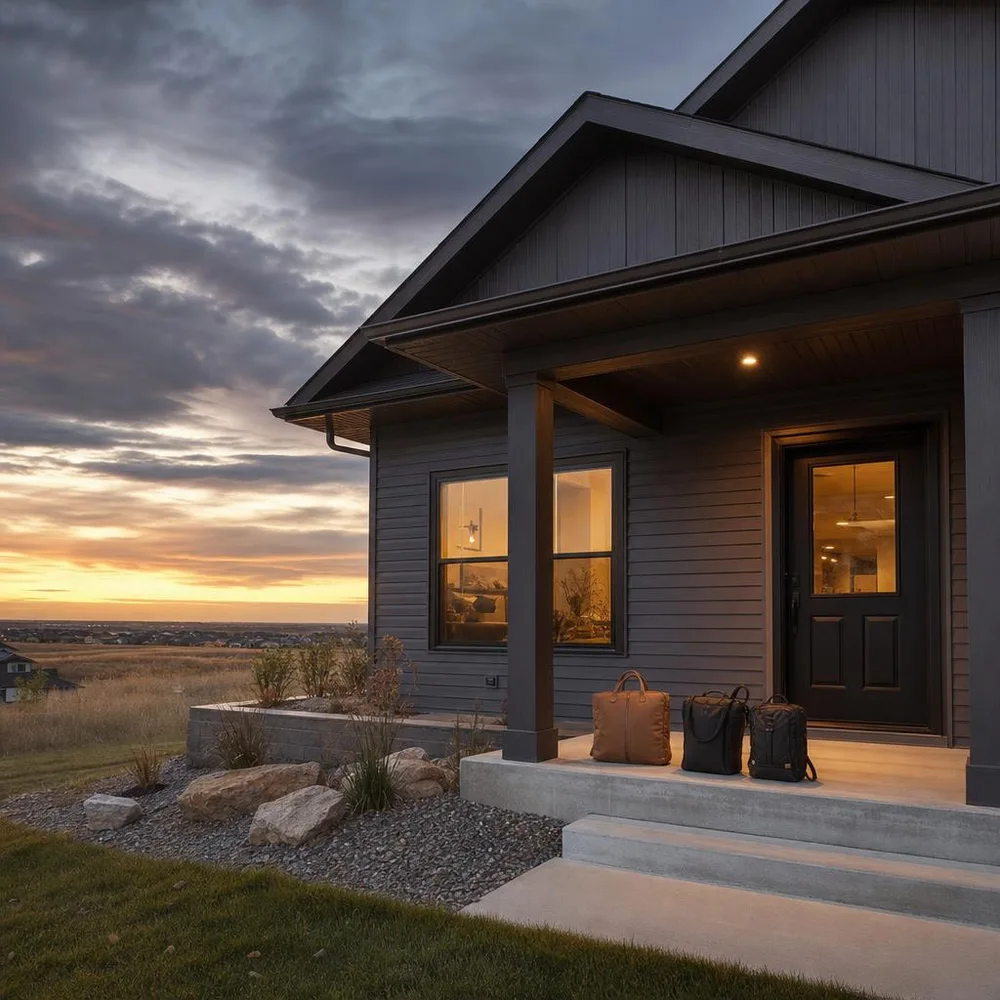
Compare Bismarck furnished houses and separate rooms for a small work crew, with occupancy, vehicle spaces, cleaning, accountability, and move-in checks.

Plan a Cleveland monthly furnished base for a companion’s routine, privacy, errands, and flexible appointments, with practical questions and arrival steps.

Plan a Norman furnished stay between academic terms with exact dates, roommate questions, visitor rules, belongings planning, and move-out cleanup.

Plan a Bend monthly furnished base for two hybrid workers with call privacy, internet checks, kitchen use, and gear-friendly terms that fit a real month.

Learn how to judge a Lancaster farmhouse month-long furnished stay by private space, working-area boundaries, driveway use, deliveries, and quiet expectations.

Plan a Newport furnished monthly stay with seasonal end dates, extension limits, owner access, deliveries, and moving-day logistics before you commit.

Use a Greenville monthly furnished stay to test errands, workspace, and household fit with a practical neighborhood scorecard before committing long-term.

Choose a furnished Sioux Falls monthly stay while you reset mail, work, and home search routines, with practical tradeoffs for a returning resident.

How to evaluate a Knoxville furnished room in an owner-occupied home: kitchen rules, visitors, working hours, storage, and a written shared-space routine.

Plan a San Antonio monthly furnished stay for multiple generations with the right beds, baths, privacy, temperature preferences, and occupancy terms.

Plan a Provo project stay with a changing finish date, desk needs, commute checks, and a clean move-out for month-long furnished rentals.

Choose a Burlington furnished monthly stay by verifying inventory, laundry, kitchen basics, heating, and supply needs so you can travel light and settle in smoothly.

Plan a Richmond home-sale transition with monthly furnished housing, storage, pets, forward mail, and closing flexibility without assuming an extension is guaranteed.

Plan a Spokane month-long furnished base by comparing two-home costs, storage, travel, utilities, and timing before you choose a calendar-month stay.

Plan a Harpers Ferry furnished monthly stay around retreat time, occasional guests, and clear boundaries between public sightseeing routes and private living space.

Plan a Green Bay monthly furnished stay around event weekends, visitor parking, fixed terms, and schedule changes without confusing month-long housing with short-term lodging.

Plan a Laramie furnished base for a research field season with gear storage, laundry, quiet work time, written extensions, and stay terms that fit changing field days.

How Huntsville suppliers can win aerospace work through subcontracting, quality records, and site access discipline without taking prime-contract risk.

An Alaska IT service built around connectivity, spare equipment, weather delays, remote support, and Anchorage staging can win by planning for distance first.

How Arizona’s Phoenix semiconductor support economy works beyond fab jobs: supplier onboarding, cleanroom-adjacent services, shift coverage, workforce choices, and relocation trade-offs.

How to sell retail analytics in Bentonville and Northwest Arkansas without implying shelf access, using local spending data, supplier validation, and careful relocation choices.

Sacramento clean-tech pilots need utility access, pilot-site fit, and relocation timing—this article maps a practical path before moving the team.

Boulder climate-data consulting works when uncertainty is treated as a product design issue, not a buzzword, and when data licensing shapes what clients can use.

How to choose a defensible first medical-device engineering service in Connecticut, with UConn resources, local site choices, and a practical first-project test.

How Wilmington’s fintech scene supports product, compliance, and banking work—and what incorporation in Delaware does not solve for a relocating operator.

How launch schedules, restricted access, and Port Canaveral operations shape practical Space Coast service businesses and where to stay before relocating.

Atlanta film-tech operators can sell data discipline, backup, crew coordination, and rights clearance workflows to productions that need reliability more than hype.

How Hawaii reef-monitoring firms can sell data to resource managers, not tourists, and what a small pilot must prove before scaling.

A practical guide to building an eastern Idaho industrial cybersecurity firm around energy operators, INL-adjacent buyers, and relocation choices in Idaho Falls.

How a Chicago warehouse automation consultant can pick one bottleneck, validate demand, and base operations and temporary housing on real site access needs.

An Indianapolis-focused guide to validating life-science cold-chain handoffs before equipment purchases, with local ecosystem facts, trade-offs, and a first-project test.

Iowa agricultural-drone operators must separate scouting from spraying, map Part 107 and Part 137 duties, and choose a business model that fits local seasonality.

How Wichita’s FAA Part 145 ecosystem, SBDC support, and MRO geography shape a specialized aviation repair startup’s scope, insurance, and relocation choices.

Explore Kentucky bourbon support businesses in packaging, traceability and byproduct reuse, with practical customer tests and relocation decisions.

How Louisiana coastal-resilience service firms can win data, maintenance, and field-support work by matching CPRA procurement, field access, and Baton Rouge logistics.

A practical guide to building Maine aquaculture support services around real farm workflows, waterfront constraints, leases and careful relocation testing.

Maryland software contractors need to map cybersecurity rules, CMMC scope, and local procurement channels before bidding on public-sector work.
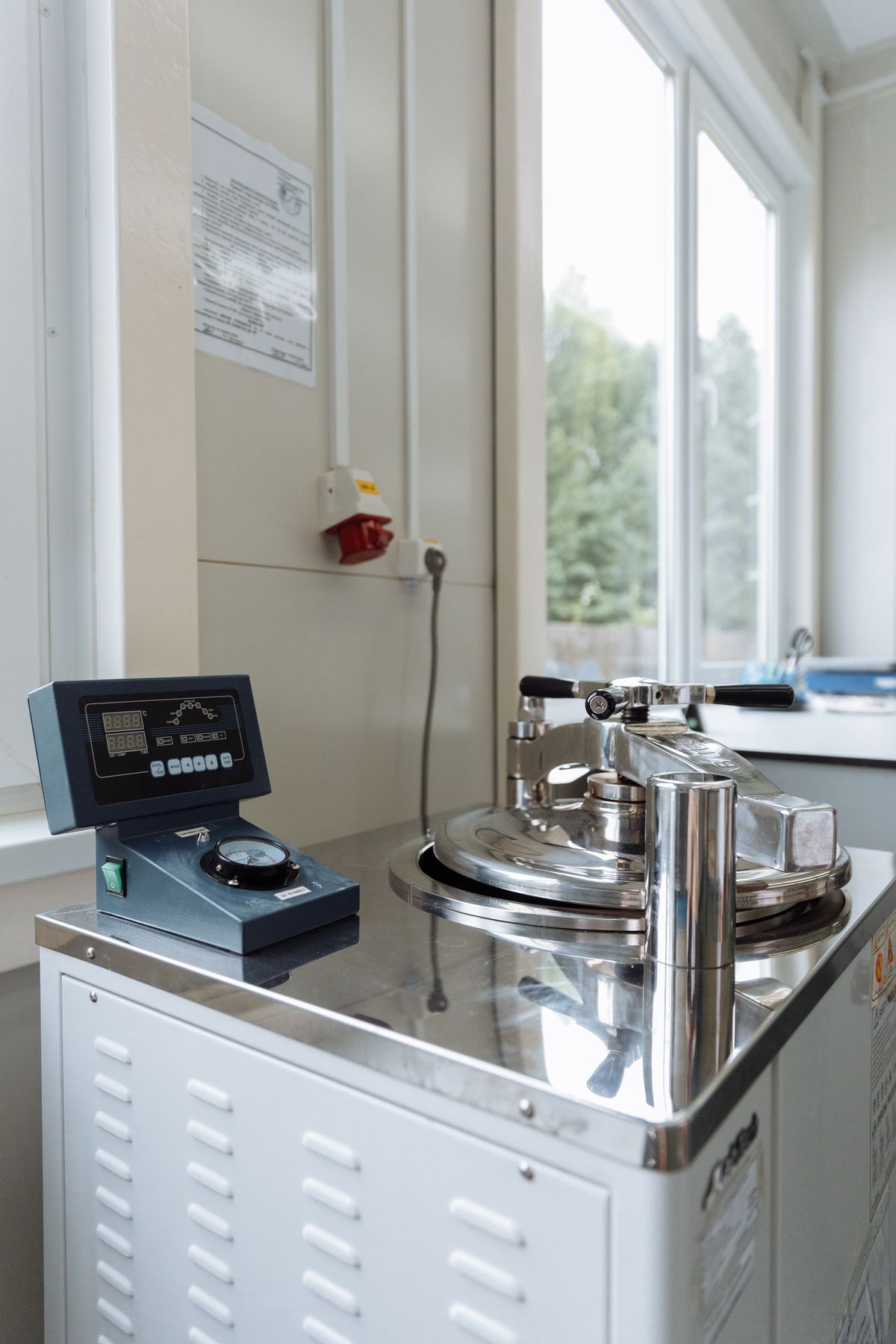
How Worcester’s biomanufacturing support ecosystem shapes niche selection, funding trade-offs, staffing, and temporary housing decisions outside Boston.

A Detroit-focused guide to vehicle-software testing businesses, with a niche offer, permitting context, relocation choices, and a worked first-project example.

How Minnesota’s accessible digital-health buyers, statewide procurement rules, and Twin Cities relocation choices shape a realistic first product path.

Mississippi Delta catfish support enterprise opportunities hinge on pond mechanics, records, water quality, and seasonally timed service around live-fish production.

How to build a St. Louis geospatial business around repeatable buyer decisions, local delivery constraints, licensing, and early customer validation.

Missoula and Bozeman outdoor-product founders can validate demand, manage inventory risk, and plan temporary housing before buying stock or committing to a move.

Nebraska ag-tech founders can test field-data products, manage ownership terms, and choose a Lincoln-based or near-farm launch plan with real trade-offs.

A Northern Nevada guide for battery-reuse ventures that separates diagnostics from hazardous handling, with local sourcing, relocation, and go/no-go checks.

A New Hampshire factory-digitization guide on work instructions, buyer choice, change management, and relocation trade-offs for a first automation service.

Central New Jersey can support clinical-trial operations firms that need documentation rigor, sponsor-facing logistics, and access to life sciences infrastructure.

How New Mexico’s national-lab ecosystem can help a tech business validate, license, and sell—without mistaking lab contact for a customer pipeline.

A field guide to testing a Rochester photonics venture through scheduled lab work, customer proof, IP controls and a reversible monthly stay.

North Carolina guide for AI implementation firms in the Research Triangle, focused on safer workflows, client validation, and relocation choices.

Grand Forks has unusual UAS infrastructure, but airspace access, site choice, and customer demand still require careful validation before relocating or investing.

How Dayton’s manufacturing network, quality expectations, and nearby temporary housing choices shape an additive-manufacturing launch before buying more printers.

How a Tulsa-based field-data service can convert inspections into maintenance action, with local ecosystem facts, due diligence, and a first-customer test.

How Oregon’s Hillsboro-centered chip cluster supports semiconductor service firms, what reliability and supplier requirements mean, and where relocation fits the first contract.

How a Pittsburgh robotics integrator can pilot one machine in a real plant: scope, staffing, due diligence, and where to stay while proving it out.

Rhode Island offshore-wind support businesses: port access, Quonset-adjacent logistics, and buyer readiness for firms testing the offshore wind supply chain.

Practical guide to Charleston port-adjacent services a small logistics team can offer, with local resources, trade-offs, and a first-client validation example.

How Sioux Falls can support outsourced financial operations work, where the control risks sit, and how to validate a first client without overcommitting.

A Chattanooga digital-business playbook on fiber, buyers, housing, and due diligence so founders choose customers before committing to space.

Houston-focused guide to launching industrial AI consulting around decision support, human approval, and cautious pilots without touching control systems.

A Utah field guide for B2B software founders to test operational customer niches, price pilots, plan support, and choose a temporary base.

How a Burlington-area traceable-batch food producer can test Vermont demand, manage compliance, and choose housing before committing to a facility move.

A Virginia guide to launching a Northern Virginia cloud security firm, focusing on shared responsibility, procurement, incident response, and relocation choices.

A practical Washington guide for maritime electrification services: charging plans, terminal realities, relocation choices, and a first-project test for Seattle-area operators.

How West Virginia outdoor-tourism operators can use technology to match demand to New River Gorge capacity, choose permits carefully, and plan relocations.

How a Wisconsin water-technology company can choose a Milwaukee pilot, measure sampling, control operating cost, and decide whether relocation is worth it.
Buying a Wyoming business before relocating can work if the seller, cash flow, workforce, and location fit; this guide ties succession to moving decisions.

Huntsville assignment housing near Redstone Arsenal means timing your lease, gate access, and commute around badge checks, gate hours, and visitor rules.
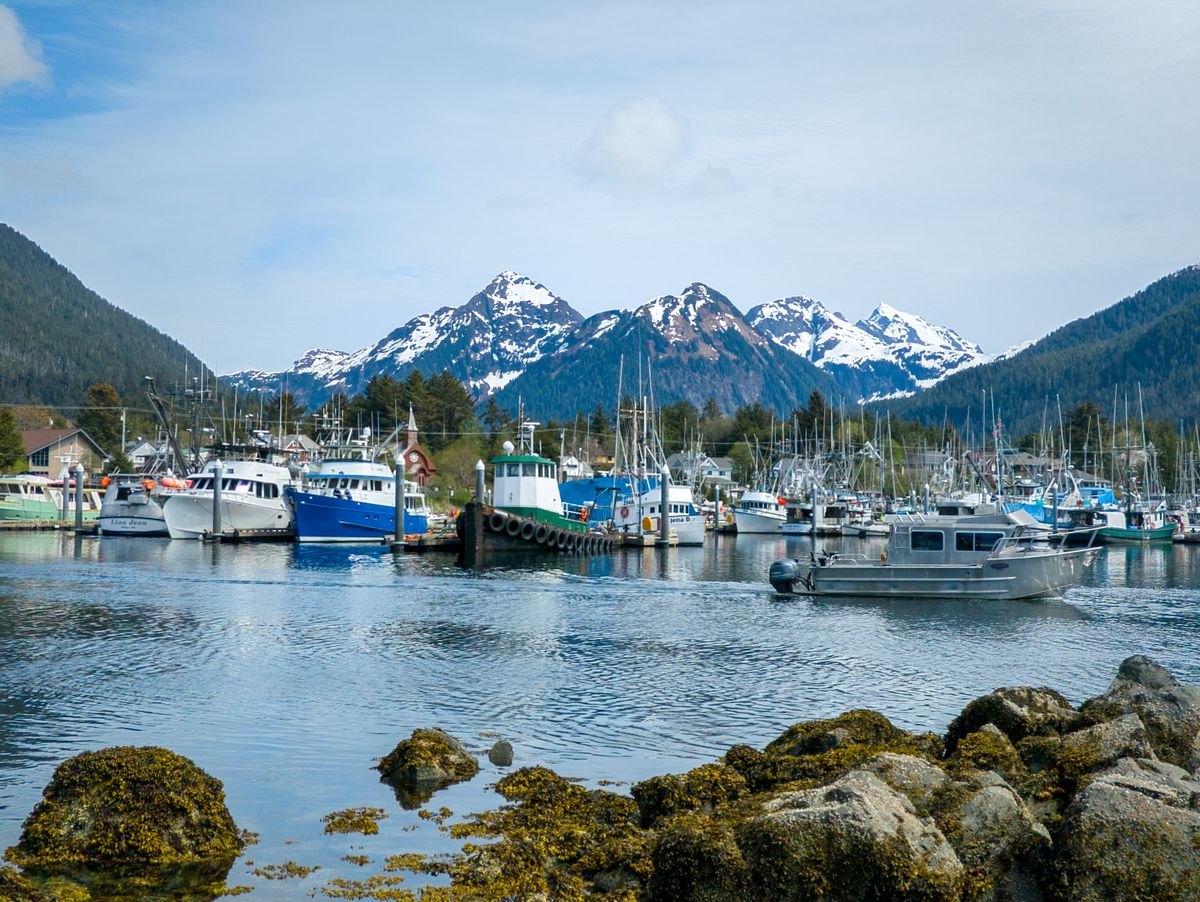
Juneau ferry arrivals require packing, timing, and transfer plans that fit AMHS check-in, schedule tools, and luggage realities.

Phoenix summer stays often hinge on cooling costs and thermostat control; this guide helps renters and hosts ask the right utility questions.

Choose a Bentonville monthly stay that fits bike access, detours, and daily storage needs along Arkansas’s Razorback Greenway.

Los Angeles film workers choosing monthly housing need a place that fits shifting call times, equipment storage, parking, and quick neighborhood moves.

Plan a car-free month in Denver around RTD routes, station access, and daily routines, using monthly-stay searches to match transit needs.

Planning a month in New Haven for Yale research means choosing a stay that supports work hours, archive trips, and a flexible arrival plan.

How to test a Wilmington, Delaware rail commute end to end, from station access to rail timing, before choosing a monthly stay.

Orlando families renting month to month need a school-week plan: enrollment timing, document gathering, and choosing housing that fits OCPS routines.

Savannah renters and hosts can judge historic-home stairs, delivery access, and parking constraints before choosing a monthly stay or listing.

A focused Oahu moving guide on shipping choices, plant and pet rules, arrival paperwork, and what to leave behind before you send a container.

Boise remote workers should test upload speed, desk setup, and backup workspace options before choosing a monthly stay.

For Chicago monthly stays, inspect the whole entry route—from sidewalk to elevator to unit door—before deciding whether a place works.

How Bloomington students can time monthly housing around Indiana University semester gaps, break windows, and registration dates.

Iowa City night-shift renters need quieter daytime sleep, practical commute timing, and the right monthly stay near UI Health Care schedules.

How Wichita owners should describe aircraft noise plainly, use local airport facts, and help monthly-stay guests choose well without overpromising.

Lexington monthly stays for horse work: how to judge boots, gear storage, and stable access before you contact an owner.

A grocery-first New Orleans month means choosing a stay by food access, streetcar reach, and errand rhythm, not tourist distance or postcard views.
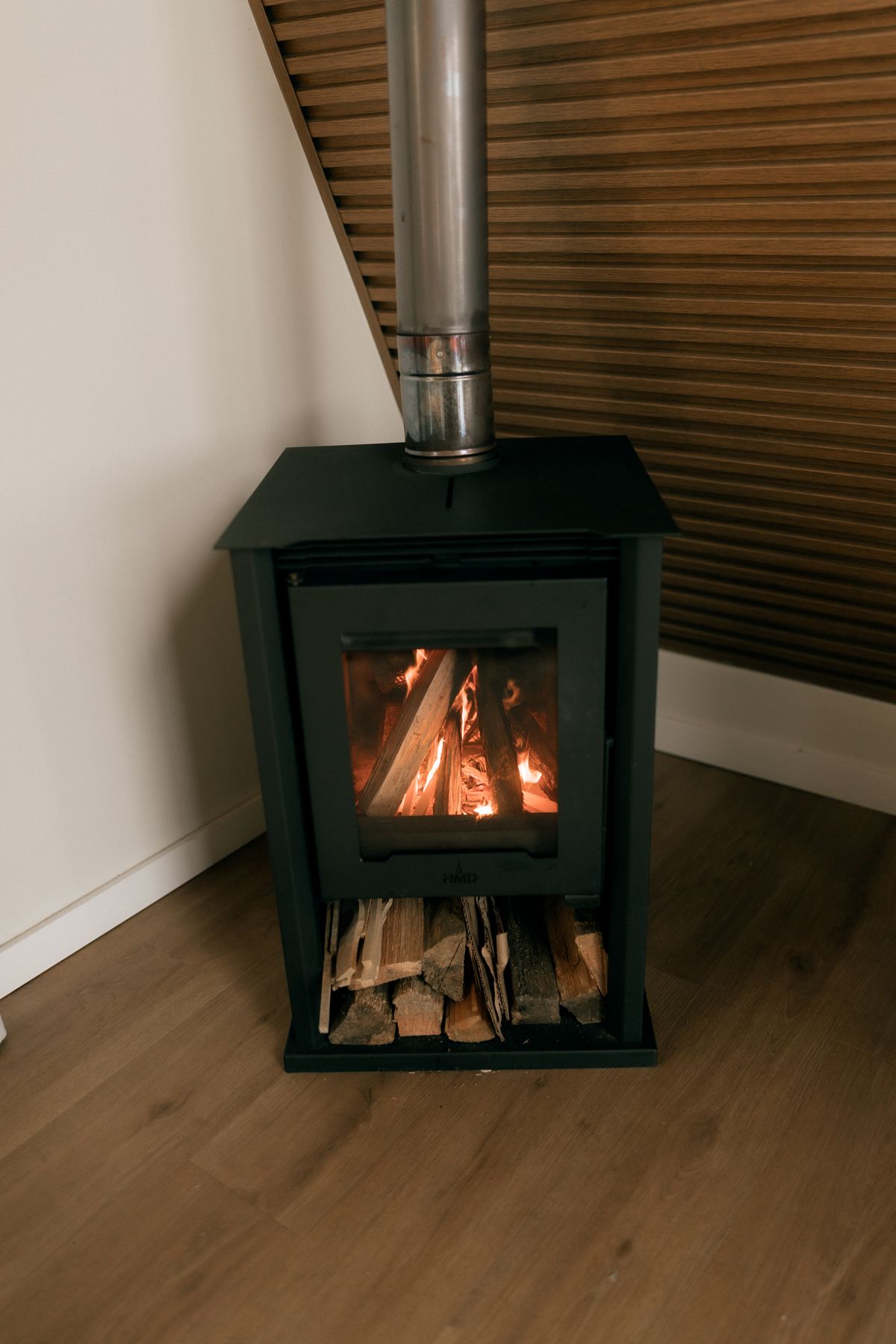
How to evaluate a Maine winter rental in Portland or Bangor for heat reliability, outage readiness, and backup planning before you commit.

Bethesda caregiver stays near NIH hinge on timing, access points, parking, and backup plans; use this guide to plan appointment-day logistics.

How to coordinate a Boston renovation stay when you need temporary housing, a moving truck plan, and the right permit path between two homes.

How Detroit monthly-stay hosts should photograph parking access, winter snow-routing impact, and curb-to-driveway details so inquiries match the stay.

How to judge Rochester monthly stays for recovery by inspecting bathroom layout, transfer space, and caregiver workflow before you contact an owner.
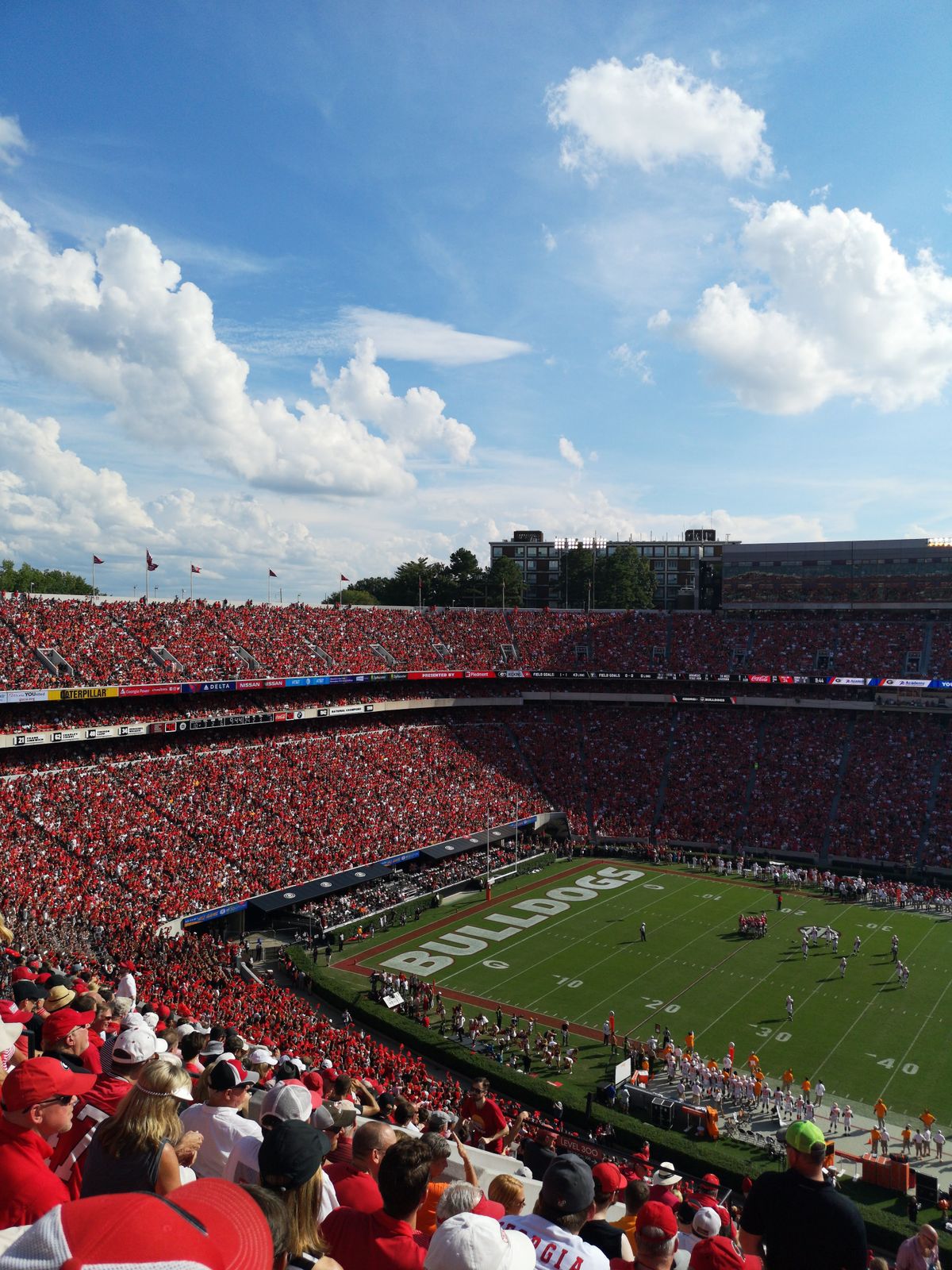
Oxford monthly stays can get unpredictable on Ole Miss game days. Use parking rules, shuttle plans, and permit checks to choose a steadier stay.

How to read Kansas City addresses carefully so you know whether a monthly stay is in Missouri or Kansas before you contact an owner.
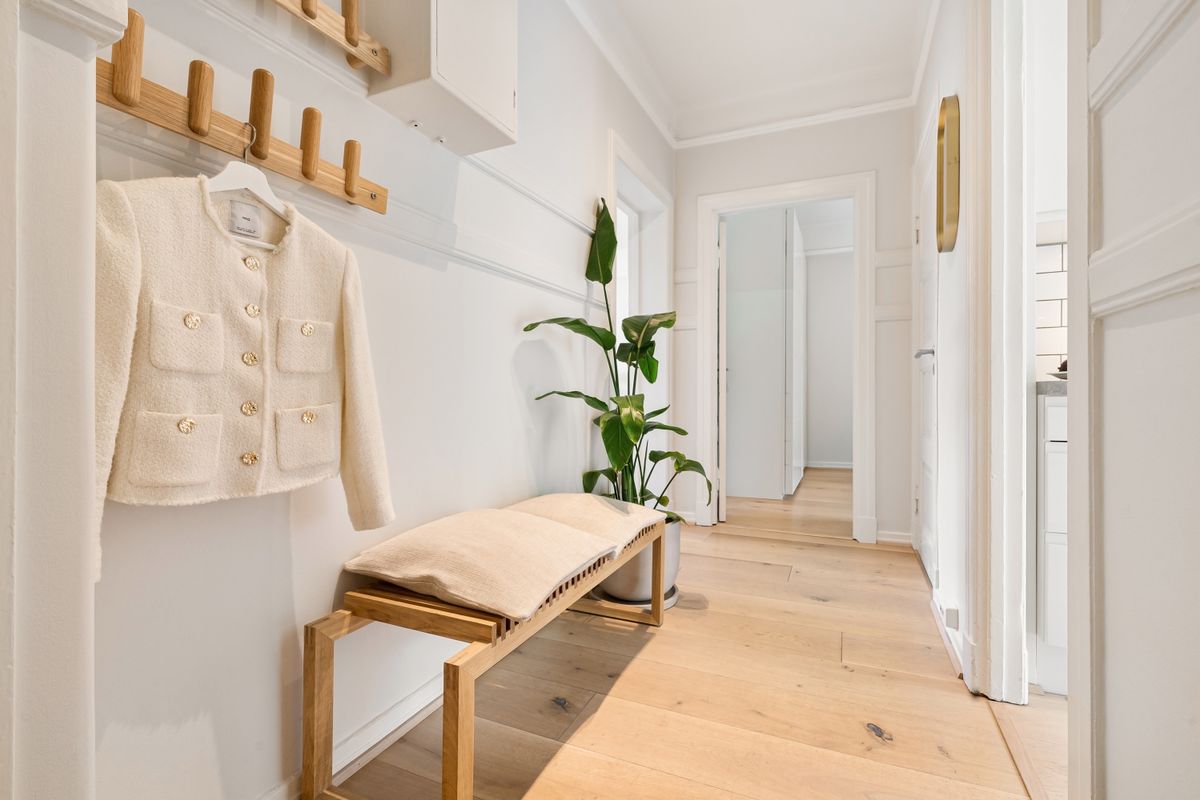
How Bozeman owners can design a winter mudroom that supports drying, reduces mess, and stays aligned with local snow-removal and permit realities.

Omaha work stays create expense-paperwork decisions around receipts, employer rules, and trip purpose; this guide helps you document monthly stays cleanly.

How to choose a quiet Las Vegas monthly stay for convention work, with planning examples, inspection questions, and local facts that affect rest.

How Portsmouth visitors and hosts can plan package delivery, mailbox use, and loading-zone timing for monthly coastal stays without last-minute pickup problems.

How Jersey City hybrid workers can match PATH schedules, alerts, and home-day needs to a monthly stay without over- or under-committing.

What Santa Fe artists should ask before using a monthly stay as a studio: light, materials, cleanup, storage, access, and owner permission.

How to plan storage in a New York City studio: fit furniture, recycling, and daily access into one small footprint without losing usability.

How to choose a monthly stay in North Carolina’s Triangle when your assignment spans multiple worksites, with route planning, checklist, and local transit facts.

Fargo winter arrivals need a parking plan, vehicle prep, and snow-response workflow before choosing a monthly stay in North Dakota.
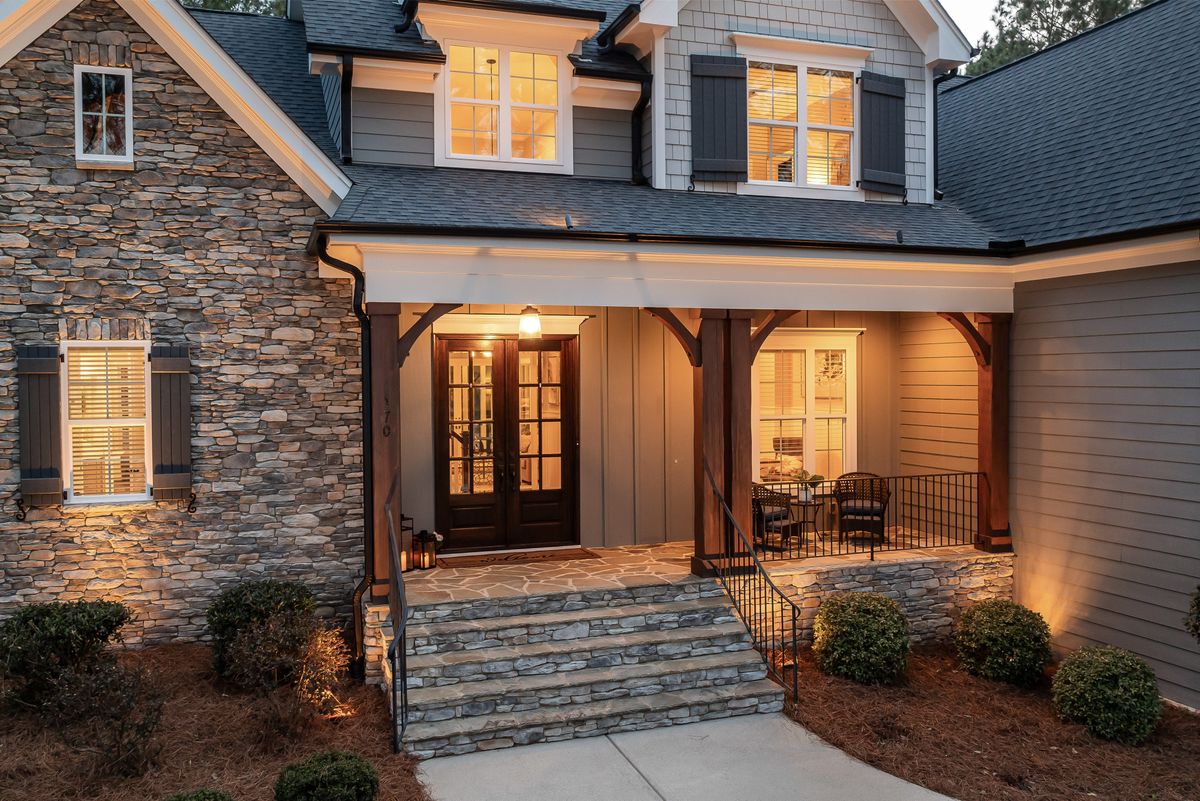
How Columbus duplex shoppers can sort out shared porches, yards, laundry, parking, and utilities before they message an owner or visit a place.

Before a Tulsa monthly stay, use storm and shelter questions to test the exact apartment, house, or room setup and decide if it fits your risk tolerance.

Plan a Portland month with a dog by building a walk routine around leash rules, off-leash areas, and daily gear checks.

Plan a family base in Pittsburgh for campus visits by weighing Oakland location, transit, parking, and exact campus access needs.

How to inspect a Providence monthly stay’s kitchen inventory so you can decide whether cooking there will be practical, not just possible.

Charleston owners can keep humid-season linens guest-ready with a simple rotation, safe dryer habits, and a decision framework for laundry timing.

Use a Black Hills month in South Dakota to plan day trips by road, pack lightly, and map each drive around forest road rules and current conditions.

How Nashville musicians and hosts can agree on practice hours, instrument setup, and noise expectations before a monthly stay begins.

How to choose an Austin monthly stay for an EV by checking charging access, outlet type, parking setup, and owner questions before you compare listings.

Salt Lake City winter stays depend on reading inversion alerts, checking AQI patterns, and choosing stays that fit indoor-air plans and trip timing.

How to verify rural Vermont internet and plan a remote-work backup before choosing a monthly stay in Burlington, Barre, or beyond.

How Norfolk shipyard workers can choose a monthly stay around shifts, tunnel chokepoints, and exact worksite access in Virginia.

How to judge a Seattle monthly stay for a baby: what gear to bring, what to ask about a crib, and which local mobility and childcare facts affect the choice.

How to judge a Morgantown monthly stay by the driveway, hill grade, turning room, and arrival route before you contact an owner.

How to evaluate Madison visiting stays for bicycle storage, from rack type to access, with a decision framework and checklist for bike-first travelers.

Plan Wyoming monthly-stay arrivals around road closures, using WYDOT 511, closure reports, and a city-specific arrival window checklist.

Compare furnished monthly rentals using a complete cost worksheet, an illustrative budget, utility questions and payment timing—not rent alone.

Evaluate monthly housing for a nursing assignment: shift-friendly sleep, hospital commute, extensions, canceled contracts and a realistic arrival plan.

Find a monthly rental that works for your pet by checking approval, written fees, shared spaces, routines and the details behind a pet-friendly label.

Check internet reliability, video-call privacy, desk ergonomics and backup connectivity before choosing a furnished monthly rental for remote work.
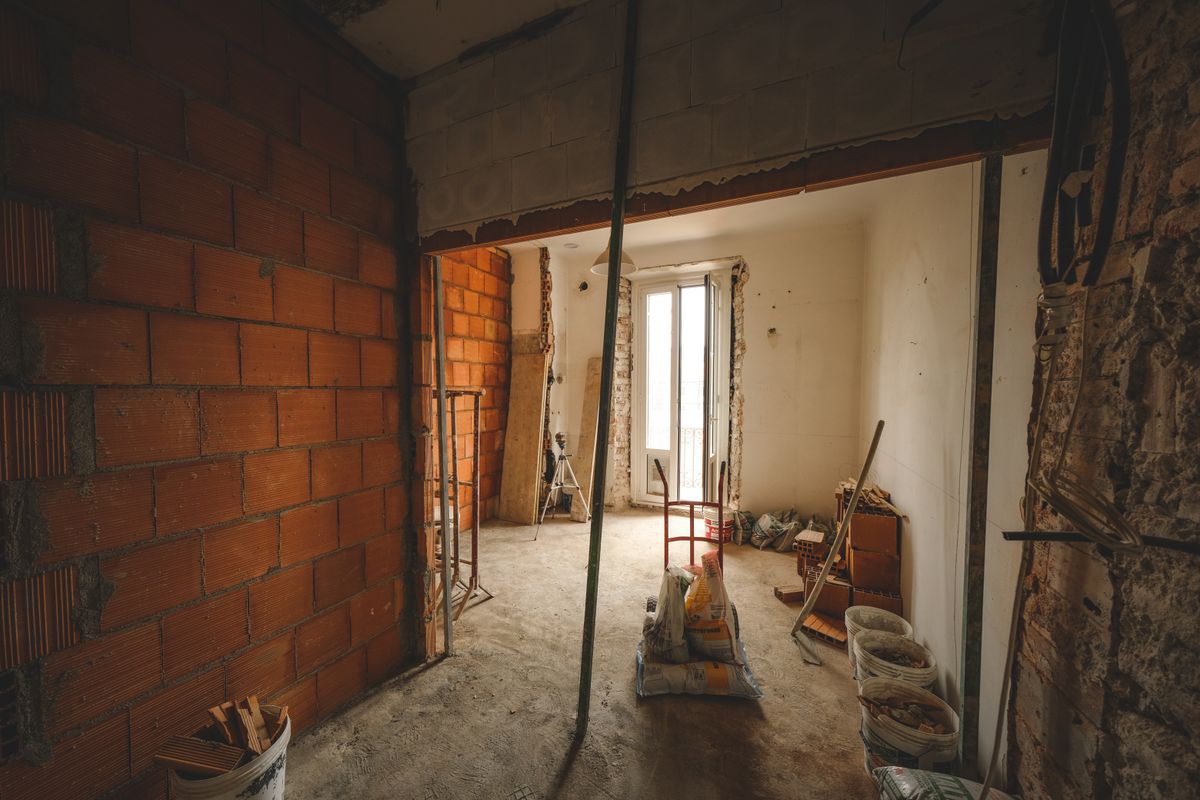
Plan a furnished monthly stay around renovation uncertainty, belongings, pets, contractor access and extensions without assuming the work will finish on time.

Document a furnished rental at move-in with room-by-room checks, an inventory, practical maintenance questions and a clear record of existing damage.

Understand a monthly rental deposit before paying: refundable versus nonrefundable charges, written terms, condition records and departure documentation.

Request a monthly rental extension early, confirm new dates and costs, and prepare a backup when the owner cannot keep the calendar open.
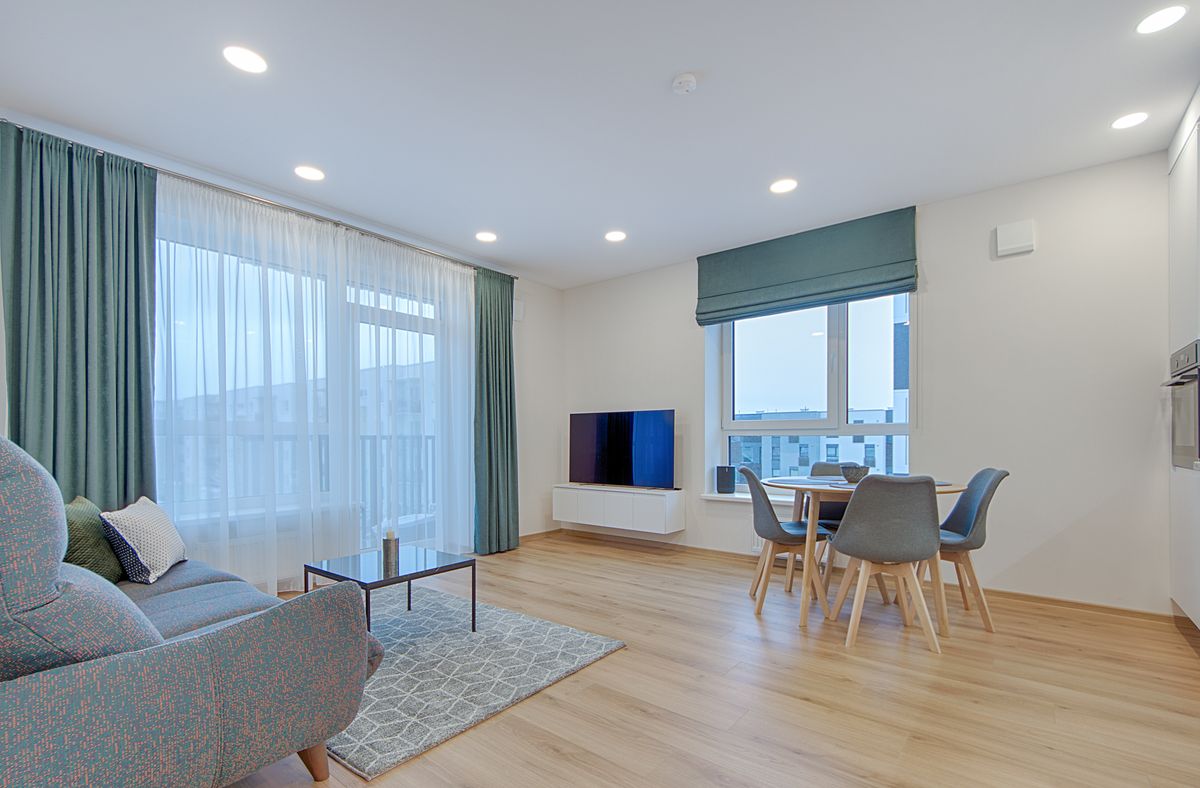
Compare a private room with an entire home using bathroom access, shared routines, privacy, kitchen use and an illustrative monthly budget.

Assess a furnished monthly rental using specific access measurements, bathroom details, entry routes and reliable information instead of vague labels.

Compare Houston monthly rentals around the Texas Medical Center, Downtown and west-side assignments with commute, parking and summer comfort checks.

Plan an Austin monthly stay around work locations, river crossings, parking, transit and workspace needs instead of choosing by the city label alone.

Choose relocation housing in Dallas using actual job sites, nearby cities, DART connections, toll-route costs and a practical apartment-search schedule.

Compare San Antonio monthly housing around your actual worksite, base or campus using travel hours, VIA service, parking and arrival logistics.

Plan a Chicago monthly rental around CTA or Metra travel, parking rules, winter arrival, heating and the real costs of a temporary relocation.

Build a furnished monthly rental price from comparable spaces, included costs, occupancy scenarios and clear terms without confusing fees with rent.

Equip a monthly rental kitchen for real meals with an occupancy-based inventory, usable cookware, safe appliances and a clear replenishment policy.

Prepare a furnished monthly rental with tested entry, an accurate inventory, concise arrival instructions and a clear first-week support process.

Write practical monthly rental house rules covering shared spaces, visitors, quiet hours, smoking, maintenance and privacy without surprise restrictions.

Prepare rental Wi-Fi with room-level testing, a guest network, clear credentials, realistic speed descriptions and a simple troubleshooting plan.

Manage monthly rental availability with selected-date blocks, whole-calendar pauses, imported calendars and a checklist that preserves paid listing terms.

Organize maintenance for a monthly rental with preventive checks, repair contacts, access coordination, renter reporting and calendar-based downtime.

Create a clear monthly rental pet policy covering approval, disclosed charges, shared spaces, cleanup and the separate treatment of assistance animals.

Prepare a furnished rental between monthly stays with condition checks, cleaning, access updates, inventory reconciliation and realistic calendar buffers.

Describe a monthly private room accurately by separating bedroom features, bathroom access and shared facilities from the facts about the whole property.

Plan internship housing using exact program dates, full costs, transit schedules, shared-space needs and a written plan if the placement changes.

Pack for a monthly furnished stay by checking the actual inventory, separating first-night essentials and avoiding unnecessary furniture or duplicate equipment.

Evaluate temporary housing with children using sleeping arrangements, daily routes, access details, storage and a practical transition plan.

Evaluate a car-free monthly rental using the full work route, first and last transit service, groceries, weather and a realistic backup travel budget.

Finish a furnished monthly stay with a documented walkthrough, agreed cleaning, key return, utility checks and a clear deposit follow-up record.

A clear starting point for understanding what a furnished monthly stay is, what it may include and how to decide if it fits your plans.

The useful questions that bring a listing to life, from included costs and furnishings to arrival, internet and the small details of daily living.

A steady, step-by-step plan for finding a place, organizing arrival and making the first few days in a new city less hectic.

A practical approach for people on rotating assignments, seasonal work or extended projects who need a home base between travel days.

A people-first guide to preparing a furnished home: focus on comfort, useful basics and clear expectations instead of filling every shelf.

How Owners can present a home accurately with useful images, specific language and a few details that answer questions before they are asked.
Looking for a monthly home? Browse stays on
