Bismarck Temporary Housing for a Small Work Crew
Compare Bismarck furnished houses and separate rooms for a small work crew, with occupancy, vehicle spaces, cleaning, accountability, and move-in checks.
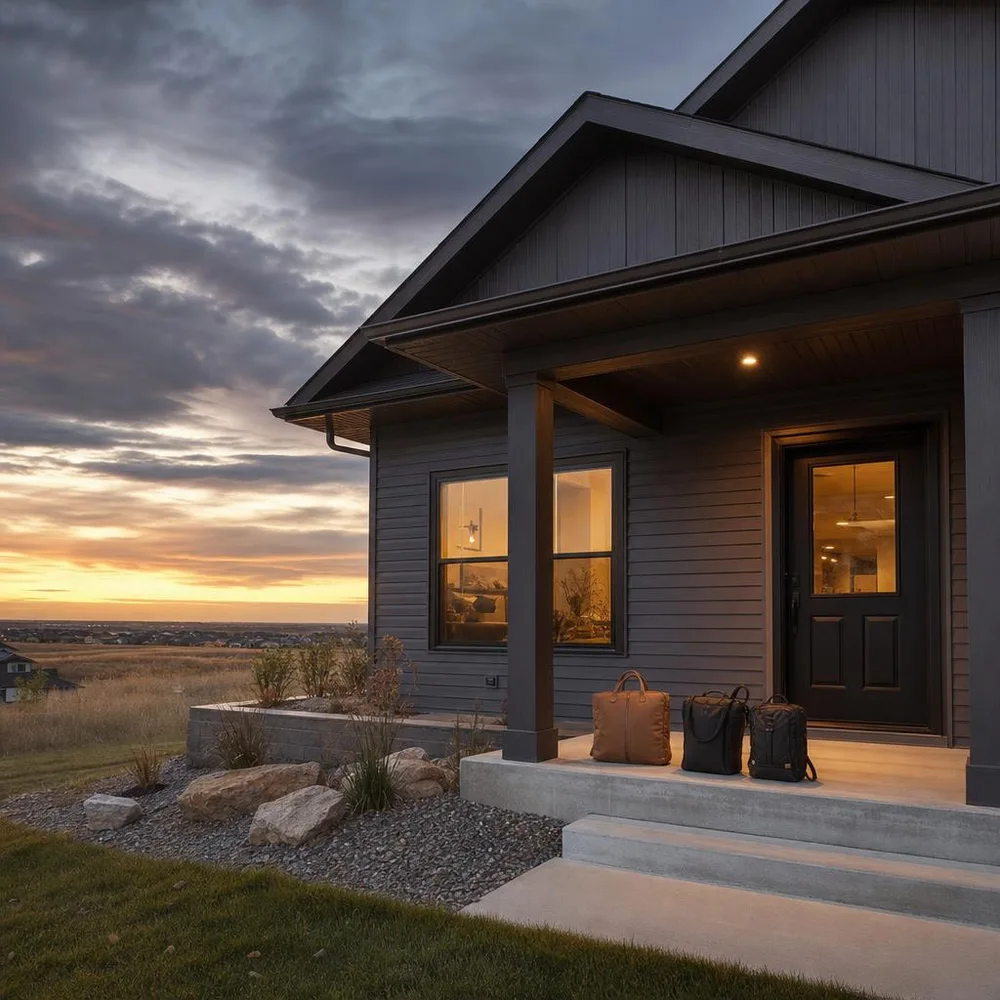
A small work crew coming to Bismarck for a month or more usually faces a different housing question than a solo traveler: should everyone share one furnished house, or should the crew split into separate rooms or units? The answer depends less on comfort alone and more on accountability, vehicle parking, cleaning routines, sleep schedules, and how clearly the lodging arrangement matches the work order. helps people find monthly furnished stays and contact property providers, which makes it useful when a crew needs a calendar-month arrangement rather than a nightly booking. If you are comparing options for a Bismarck assignment, start with the structure of the stay, not just the furniture.
 helps people find monthly furnished stays and contact property providers, which makes it useful when a crew needs a calendar-month arrangement rather than a nightly booking. If you are comparing options for a Bismarck assignment, start with the structure of the stay, not just the furniture.
Bismarck work stays are shaped by timing, not just bed count
A calendar-month furnished rental can fit a crew even when the assignment does not begin on the first day of a month, but the actual agreement terms matter. February can be a full month in a seasonal or project schedule, while other stays may begin or end midmonth. The important point is that a month-long arrangement is not the same as a short-stay lodging arrangement. A hotel can serve as a bridge for a few nights, but it usually does not solve the longer coordination problems that come with tools, work clothes, meal prep, or repeated commutes from the same address. For a crew, the real question is whether the housing should operate like a temporary shared home or like several private sleeping spaces with separate responsibility lines.
Separate rooms or one furnished house: what each format solves
Separate rooms can work well when the crew has mixed arrival times, different supervisors, or workers who need privacy after long shifts. They can also reduce friction if people keep different hours, because one person’s early start does not automatically become everyone’s early start. The tradeoff is that separate rooms can make it harder to coordinate meals, gear storage, and cleanup, especially if the team relies on the same vehicles and shared supplies. A furnished house can be better when the crew needs one common kitchen, one gear drop zone, and a single address for the whole group. But shared housing only works smoothly when the crew can manage noise, bathrooms, refrigerator space, and common-area cleanup without waiting on a landlord to mediate everyday behavior. For a project team, the housing format should match the crew culture, not just the budget or the number of mattresses.
Named occupancy and who is actually staying
Before anyone compares a furnished house with separate rooms, name the occupants clearly. This matters because a crew stay often fails in practical ways long before it fails on paper. A property provider may want to know exactly who the named occupants are, how many adults are staying, whether anyone rotates in and out, and whether the same people will be there for the whole term. If your crew has a lead worker, a foreman, or a site manager, decide whether that person will be the main point of contact or only one of several responsible adults. That distinction affects accountability for keys, entry instructions, cleaning, and damage reporting. It also helps avoid confusion if one crew member arrives later than the others or leaves before the rest of the group.
- List each crew member by name before asking about a furnished house or a set of separate rooms.
- Decide who is the primary contact for messages, payments, maintenance questions, and move-out coordination.
- Confirm whether anyone is expected to rotate in, extend the stay, or leave early.
- Ask whether the occupancy count includes all adults at all times or only the people sleeping there on a given night.
Vehicle spaces in Bismarck are a planning issue, not an afterthought
For a work crew, parking is rarely just parking. The team may have pickup trucks, service vans, trailers, or personal vehicles that need reliable access near the house. Bismarck’s residential streets, driveways, and lot layouts can vary enough that two seemingly similar properties may handle vehicles very differently. Ask not only whether there is parking, but how many spaces are truly usable, whether oversized vehicles fit, and whether turning around is practical. If a crew depends on loading tools every morning, the distance from parking to the entry door may matter as much as the number of spaces. A short-stay hotel can sometimes offer a simpler parking experience for one vehicle, but a monthly crew arrangement needs the parking conversation up front because vehicle logistics repeat every day.
- How many vehicles can be parked on site without blocking each other?
- Is the space suitable for work trucks or only standard passenger cars?
- Can a trailer be accommodated, and if so, where does it sit overnight?
- Is there a clear path from parking to the entrance for carrying tools or coolers?
Cleaning arrangements and the difference between tidy and shared-responsibility clean
The word clean means different things in crew housing. One person may mean basic tidiness, another may mean full turnover cleaning, and a property provider may mean a scheduled service or a specific end-of-stay standard. Because focuses on monthly furnished stays, it is worth asking how cleaning is handled during the stay, who resets common areas, and what happens if multiple adults share the same kitchen and bath. A furnished house can work well if the crew creates its own routine for dishes, trash, floors, and laundry. Separate rooms may reduce conflict in private spaces, but shared hallways, kitchens, or bathrooms still need a plan. If there is a cleaning fee, ask what it covers and what remains the guests’ responsibility. If there is no cleaning service, be sure the crew understands that the whole group, not just one person, is accountable for keeping the place livable.
For example, a hypothetical four-person Bismarck crew might choose one furnished house because two people start early and two return later, but they would only make that choice if they can agree on a nightly cleanup rotation, a shared refrigerator shelf system, and a single person to report maintenance issues. If the same crew cannot agree on those basics, four separate rooms may be easier even if the common areas are smaller or less convenient.
A practical decision framework for the housing format
Use this framework before you contact a provider through search. First, decide whether the crew needs a common base or only sleeping space. If meals, tools, and daily check-ins all happen at the lodging, a furnished house may be the stronger choice. Second, ask whether the crew can self-manage shared responsibility. If the answer is uncertain, separate rooms can reduce the amount of negotiation required each day. Third, compare the vehicle situation. If the team has multiple trucks, a house with workable parking may matter more than having an extra bedroom. Fourth, think about privacy and recovery time after work. If the crew’s schedules are staggered, separate rooms may protect sleep and reduce tension. Fifth, identify who will solve problems. A group that can name one accountable contact usually handles a shared house better than a group that treats every issue as somebody else’s job.
What to verify before the agreement is signed
A monthly stay becomes easier when the arrangement is specific. That includes the start date, the end date, any extension option, and whether the provider expects a written extension if the work runs long. It also includes occupancy details, parking access, cleaning responsibilities, and whether the crew is renting one entire furnished house or only certain rooms. If you are comparing options in Bismarck, ask questions that fit the actual property, not generic lodging assumptions. A hotel-style setup may include linens and basic housekeeping, but a furnished monthly home can require more self-management and more direct communication with the property provider. That tradeoff is often worth it for a crew, but only if the terms are understood in advance.
- Confirm the exact move-in date, move-out date, and any written extension process.
- Ask whether the agreement covers the whole property or only named rooms.
- Clarify who handles linens, trash removal, dishes, and routine cleaning.
- Verify parking counts, vehicle size limits, and any trailer or work-van constraints.
- Identify one primary contact for questions, repairs, and schedule changes.
- Ask how the provider wants occupancy changes reported if someone arrives late or leaves early.
An arrival checklist for a Bismarck crew
A good arrival plan prevents the first day from becoming a scramble. Use the checklist below before the crew reaches the property, especially if the stay begins after a long drive or late shift. A Bismarck house or room set that works on paper can still create confusion if nobody knows where to park, where to put boots, or who holds the key code. The point is not perfection; it is reducing avoidable friction when everyone is tired.
- Share the property address, arrival window, and named occupants with the whole crew.
- Assign the primary contact and one backup contact.
- Confirm how keys, entry codes, or lock instructions will be delivered.
- Map the parking plan for every vehicle before arrival.
- Set house rules for quiet hours, laundry use, kitchen storage, and trash.
- Decide which person reports maintenance issues first.
- Agree on the cleaning rotation for the first week and the last day.
- Check that everyone knows the move-out time and any checkout steps.
Local context and a useful next step
Bismarck is a practical place to think in terms of function rather than glamour. A crew that needs a dependable base may care more about the route to the jobsite, the ability to store outerwear and tools, and the ease of getting everyone out the door on time than about decorative features. If your search is still broad, the older guide Furnished Monthly Rentals in North Dakota can help you compare the state-level questions that still apply here, such as lease structure, monthly timing, and how furnished stays differ from short bookings. When you are ready to speak with property providers, list your place here is the route owners use to offer monthly furnished accommodations to traveling renters.
For a crew, the best answer is rarely just “house” or “rooms.” It is the arrangement that makes occupancy clear, parking workable, cleaning manageable, and responsibility traceable from move-in to move-out. If those pieces are aligned, a Bismarck temporary stay can support the work instead of complicating it.
Make your next month feel more settled.
Related reading

Fargo Winter Arrivals: Parking and Vehicle Prep
Fargo winter arrivals need a parking plan, vehicle prep, and snow-response workflow before choosing a monthly stay in North Dakota.

A relocation checklist for your temporary home
A steady, step-by-step plan for finding a place, organizing arrival and making the first few days in a new city less hectic.