Harpers Ferry Extended Stays: Plan for Visitors and Privacy
Plan a Harpers Ferry furnished monthly stay around retreat time, occasional guests, and clear boundaries between public sightseeing routes and private living space.
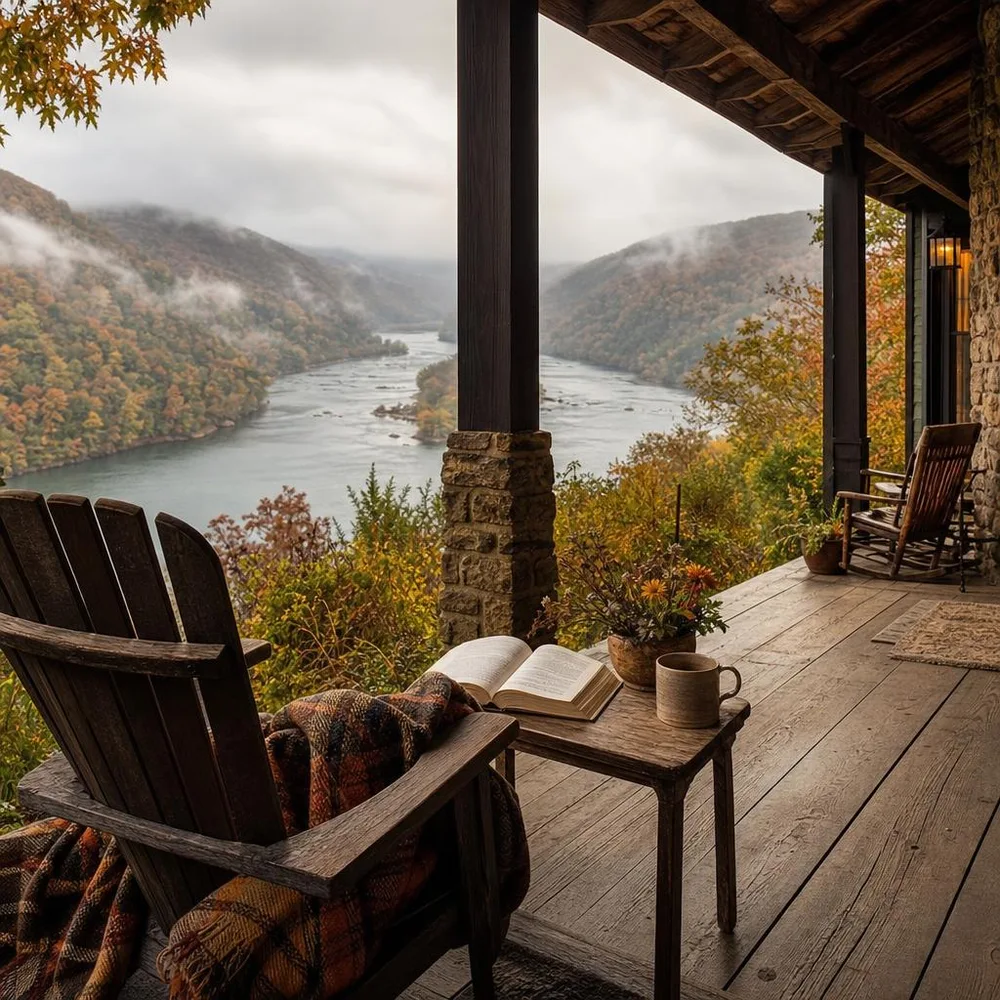
A longer stay in Harpers Ferry can work best when it is treated less like a vacation and more like a temporary home with defined edges. The town’s draw is obvious: historic streets, river views, hillside setting, and easy access to public landmarks that bring a steady stream of day visitors. That same visibility is what makes privacy planning so important for anyone looking for a furnished monthly base. The question is not simply where to sleep, but how to separate your private household space from the public routes, viewpoints, and visitor patterns that make Harpers Ferry busy in the first place.
For , the useful frame is a calendar-month furnished stay or longer, with exact start and end dates set in writing. February can be a full month, and a longer arrangement may also run across two calendar months if the written agreement says so. This is different from short-stay lodging or nightly booking inventory. If your goal is a retreat with room for occasional visitors, the most important details are not decoration or marketing language; they are the layout, entry sequence, household rules, extension terms, and whether the property actually supports longer occupancy without putting your private time into conflict with tourism traffic.
 , the useful frame is a calendar-month furnished stay or longer, with exact start and end dates set in writing. February can be a full month, and a longer arrangement may also run across two calendar months if the written agreement says so. This is different from short-stay lodging or nightly booking inventory. If your goal is a retreat with room for occasional visitors, the most important details are not decoration or marketing language; they are the layout, entry sequence, household rules, extension terms, and whether the property actually supports longer occupancy without putting your private time into conflict with tourism traffic.
Harpers Ferry as a Retreat Setting, Not Just a Sightseeing Stop
Harpers Ferry sits at a rare confluence of river landscape, rail corridor, and historic town fabric. That geography can make a furnished stay feel restorative, but it also means your daily routine may overlap with public movement. A retreat-minded renter should think about elevation, approach roads, parking placement, and whether the home sits on a quieter side street or nearer the pedestrian flow around the historic district. The central issue is not whether the town is attractive; it is whether the home’s setting gives you the buffer needed for reading, remote work, writing, or quiet time when you are not out exploring.
If visitors are part of the plan, ask where they would enter, where they would park, and whether they would need to pass through private household space to reach you. In a town with a strong visitor presence, a property can feel private inside yet still be exposed outside if its porch, driveway, or frontage is easy to read from public routes. A monthly stay should be judged by how well it supports ordinary life: grocery runs, laundry, work calls, sleeping hours, and receiving a guest without turning the home into a mini tour stop.
Separating Public Routes From Private Space
One of the most useful questions in Harpers Ferry is where the public ends and the household begins. A furnished monthly stay should clearly distinguish between spaces meant for the renter’s exclusive use and any shared or pass-through areas. That distinction matters more here than in many places because the surrounding town invites casual wandering. If the porch, yard, or entry path is visible from a commonly traveled route, you may need to think about blinds, screens, outdoor seating placement, and whether the property can feel comfortable when people nearby are simply passing through town.
- Confirm which spaces are included in the monthly use of the home: bedroom, kitchen, bath, laundry, porch, yard, and parking.
- Ask whether any other occupants, owners, caretakers, or guests may enter shared spaces during your stay and under what notice terms.
- Check how deliveries, trash placement, and visitor arrivals are handled so the household routine does not spill into public view.
- Review exterior lighting, door placement, and sightlines from the street or path to understand how exposed the home feels at night and during busy hours.
This is also where an explicit agreement matters. If you want quiet, ask for it in writing. If you expect occasional overnight visitors, ask whether the provider allows them, how many, and whether there are separate terms for parking, linens, or extra occupancy. A monthly stay can be welcoming without being informal. Clear rules are better than assumptions, especially when a historic town setting can make a house feel more public than it is.
What Furnished Monthly Means Here
A furnished monthly stay should be evaluated as a lived-in base, not a short getaway. That means checking whether the furnishings support a longer routine: enough seating, functional table space, practical kitchen tools, storage for clothing and groceries, and a way to keep personal items organized if a guest arrives. A home can be beautifully staged and still be awkward for a calendar-month stay if it lacks places to set down a laptop, store suitcases, or preserve a sense of privacy after a day of sightseeing.
It also helps to ask how the written agreement handles the actual dates. Start and end dates should be specific, because a month-long arrangement is not the same as a loose promise to stay “about a month.” If you may extend, make sure any extension is written, with terms that explain notice, payment timing, and whether the household rules change. If a home is available only seasonally or under special conditions, that should be part of the conversation before you count on it as a retreat base.
For a better sense of how longer stays are presented in this state, you can also review the older guide on furnished monthly rentals in West Virginia. Use it as background on the wider state context, then come back to Harpers Ferry specifics: privacy, access, and the difference between living space and sightseeing space.
A Practical Decision Framework for Occasional Visitors
A good decision framework keeps you from overfocusing on scenery and underfocusing on household function. Start with the guest question: do you want a place where visitors can occasionally stop by, or do you need a truly secluded retreat with minimal interruption? Then move to the access question: can a guest arrive without disturbing your routine or exposing the home to unnecessary public attention? Finally, consider whether the property feels better for two people sharing a longer stay or for a single renter who values quiet over entertaining.
- Choose privacy first if your priority is rest, focused work, or recovery from a busy schedule; choose visitor-friendly access if you expect friends or family to arrive during the stay.
- Choose a property near public-facing routes only if you are comfortable with more movement nearby and can still preserve quiet inside the home.
- Choose a quieter edge-of-town setting if you want more separation, even if that means fewer immediate walking options and more dependence on vehicle access.
- Choose a monthly arrangement only when the exact dates, house rules, and extension terms fit your real schedule; do not assume a loosely described stay will work once you arrive.
This framework is especially useful because a retreat can fail in subtle ways. Too much exposure to visitor traffic can make daily life feel public. Too much isolation can make errands and guest visits cumbersome. The right Harpers Ferry base should balance both: enough privacy for ordinary household living, enough access for practical trips, and enough clarity in the agreement that you know where boundaries are.
Questions to Ask Before You Commit
A monthly stay is easier to judge when you ask concrete questions rather than broad ones. A provider can usually answer clearly whether the home suits your needs, but you may need to probe beyond general descriptions. The goal is not to bargain for special treatment; it is to understand how the home functions on an ordinary Tuesday, not just on a scenic weekend.
- Which areas are exclusively private, and which are shared or accessed by others?
- How are visitor arrivals handled, especially if the property sits near public routes or visible common areas?
- Are linens, kitchen equipment, and storage sufficient for a stay measured in calendar months rather than days?
- What are the exact check-in and check-out dates, and how are written extensions handled if plans change?
- Is the home better suited to quiet individual use, shared use, or occasional guests?
If a property provider cannot answer these plainly, that is a signal to slow down. In a town as active as Harpers Ferry, ambiguity about entry, parking, or guest use can create friction later. A good monthly arrangement should reduce uncertainty, not add to it.
Hypothetical Household Example
For example, a hypothetical renter plans a six-week personal retreat in Harpers Ferry to finish writing work and host two short visits from family. They want a furnished home with one private bedroom, a kitchen that supports simple cooking, and a porch where they can read in the evening. They do not want the house to feel like a public stopover, and they prefer not to share living space with strangers or caretakers during the stay.
In that situation, the renter would likely favor a property with a separate private entrance, clear parking instructions, and outdoor seating that is shielded from the street. They would ask whether guests can visit only by prior arrangement, whether overnight stays are allowed, and whether the household can support a quiet routine during the busiest visitor periods. The key tradeoff is simple: a more visible location may offer better access to town, but a more tucked-away home may better protect the calm they came for.
Arrival and Agreement Checklist for a Month-Long Stay
Before arrival, a clear checklist helps turn a promising listing into an actually workable home. This is especially important when the stay is meant to mix solitude with occasional company. Use the checklist to confirm the practical details that matter after the first day, not just the first impression.
- Written agreement includes exact start and end dates.
- Any extension option is stated in writing, with notice and timing terms.
- Private and shared spaces are identified clearly.
- Guest policy is written, including whether visitors may stay overnight.
- Parking, entry, trash, and deliveries are explained.
- Furnished items support a month or longer, not just a short visit.
- House rules address noise, smoking, pets if relevant, and use of outdoor areas.
- You know how to reach the property provider or contact person during the stay.
- You have reviewed the separation between public sightseeing areas and the private household setting.
- You have compared the monthly option with short-stay lodging only as a fallback, not as the same kind of arrangement.
If you are on the ownership or hosting side, the same clarity helps your prospective guest understand the home before they arrive. You can explore how providers present longer stays through list your place, especially if you want to describe privacy boundaries, visitor rules, and the practical fit of a furnished monthly arrangement. For renters, the search side is here: search monthly furnished stays.
A Harpers Ferry extended stay works best when the town’s public appeal is treated as a benefit outside the home, not an intrusion inside it. That balance comes from choosing the right setting, clarifying the agreement, and being honest about how much privacy you need when visitors come and go. If you want a place that supports both retreat and the occasional hello, the deciding factor is not simply the view. It is whether the household structure lets you live quietly while the town remains just beyond your door.
Make your next month feel more settled.
Related reading

Morgantown Hill Roads: Inspect the Actual Approach
How to judge a Morgantown monthly stay by the driveway, hill grade, turning room, and arrival route before you contact an owner.

A relocation checklist for your temporary home
A steady, step-by-step plan for finding a place, organizing arrival and making the first few days in a new city less hectic.