Baltimore Furnished Row Houses: Shared Entry Questions
Learn how to assess Baltimore furnished row houses for shared entry, interior separation, laundry, and visitors, and how to tell a room stay from an entire-home rental.
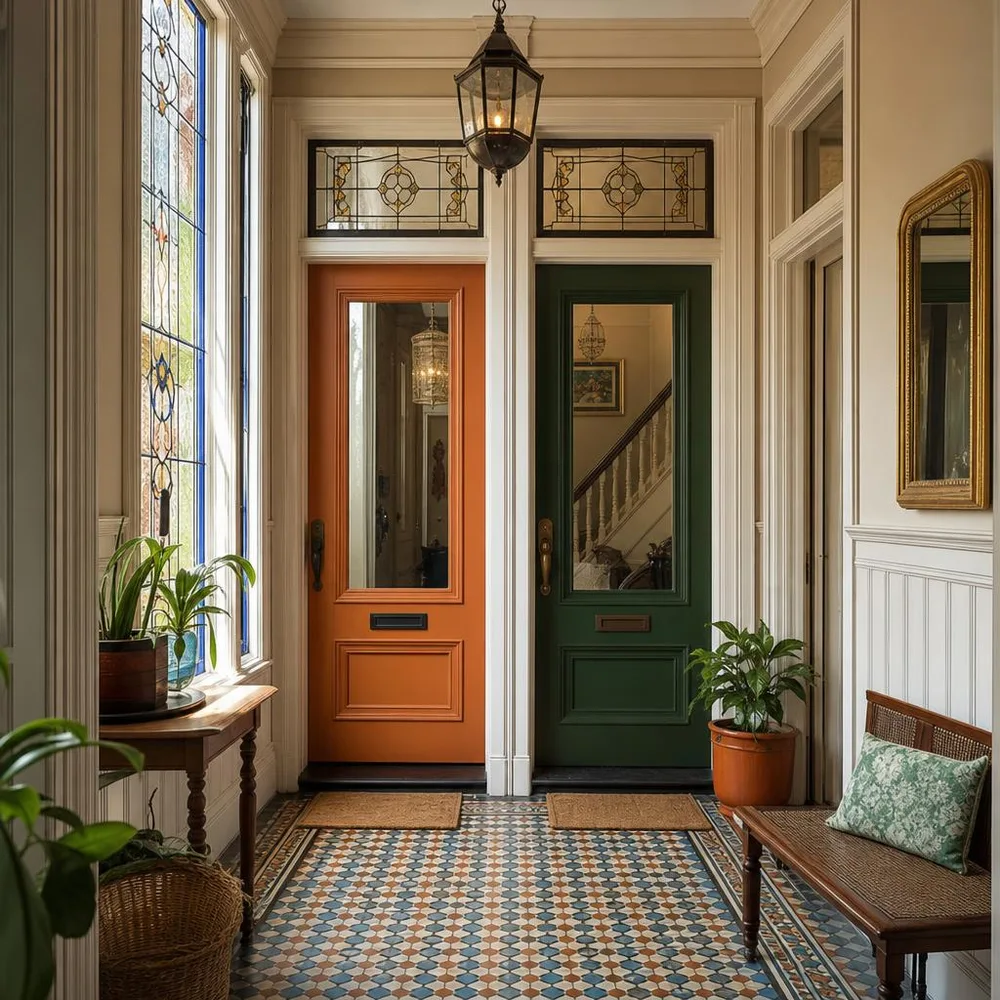
Baltimore row houses can make a monthly furnished stay feel especially local, but the same architecture that gives them charm can also blur the line between a private rental and a shared arrangement. A painted stoop, a narrow vestibule, an interior door, or a basement laundry room may look straightforward in photos, yet each one can signal a different level of privacy, access, and day-to-day coordination. If you are looking for a calendar-month furnished stay in Baltimore, the practical question is not simply whether the house is attractive. It is whether the entry, interior separation, laundry setup, and visitor expectations actually fit how you plan to live for a month or longer.
Start with the entry, because the front door tells the story
In Baltimore row houses, the front entrance often does most of the work that a suburban foyer or hallway would do. The first thing to sort out is whether the entry is fully dedicated to your stay or shared with someone else. A listing may describe a room in a house, a basement suite, or an entire home, but the entry arrangement is what often reveals the real level of independence. If you see one exterior door leading directly to the unit, that suggests a more self-contained arrangement. If you see a shared vestibule, a common hall, or a second door deeper inside the house, you may be looking at a partially shared setup even when the space feels private in the photographs.
A row house can also have separate floors with separate doors, which creates a more nuanced arrangement than simply private versus shared. In some Baltimore properties, an owner or another occupant may live on one floor and the monthly guest occupies another. That can work well for a calendar-month stay if the rules around entrances are clear. The key is to ask where you enter, whether you need to pass through a common area, and whether any door is locked off from the other occupant's side. For a month-long stay, those details matter more than a decorative interior shot of exposed brick or original molding.
- Ask whether you have a private exterior entrance or must use a shared one.
- Ask whether the stairwell, vestibule, or hallway is common space or exclusive to your unit.
- Ask how keys, codes, and guest access work if there are two separate doors on the facade.
- Ask whether any interior door between floors is locked, usable, or intended only for owner access.
Room, floor, or whole house: read the offer as a living arrangement, not a label
The most important distinction in this topic is between a room rental and an entire-home offering. A room rental may include a bedroom and some shared household areas, such as kitchen access or a bathroom used by others. A floor rental may give you a larger private area, but still leave some shared circulation, laundry, or entry space. An entire-home rental should mean the home is reserved for your use for the duration of the agreement, though you still need to confirm what spaces are included and whether there are any locked owner closets, utility rooms, or storage areas.
Do not rely on the term furnished alone to tell you which arrangement you have. Furnished is about what comes with the stay, not about privacy. A furnished room can be just as well appointed as a furnished row house, and a furnished entire home can still have shared amenities if the agreement says so. The cleanest way to judge the offer is to ask: Which spaces are exclusively mine, which are shared, and who else will be entering the property during my stay? That question matters for everyone, but especially for a month-long guest who needs a stable routine.
If you are using search, treat the property description as the starting point and the written agreement as the deciding document. The platform helps you find monthly furnished stays and contact property providers, but the exact house rules, start and end dates, extensions, and occupancy terms should be confirmed in writing before you commit to a calendar-month stay. February can be a full month, and a monthly stay is not the same as a short hotel booking or a nightly reservation.
 search
Laundry access: one of the fastest ways to test privacy
Laundry seems minor until you need to plan around it every week. In Baltimore row houses, laundry may be in a basement, a rear addition, a utility closet, or a shared area with a separate occupant. That makes laundry one of the best places to test how private the arrangement really is. If your stay is an entire-home offering, you would usually expect laundry access to be part of that private use, except for clearly excluded utility spaces. If you are renting a room or a floor, you may still have laundry access, but the schedule, storage, and path to the machines can become part of the living arrangement.
A careful question set helps here. Where are the washer and dryer located? Do you need to pass through someone else's space to use them? Are they available on demand, or only at certain times? Is detergent supplied? Is the laundry area shared with an owner, another guest, or neighboring unit? When a basement or rear laundry room is involved, also ask whether there is a second exit, whether the stairs are interior or exterior, and whether you are expected to coordinate access with anyone else. Those answers tell you more about the stay than a broad phrase like fully equipped.
- Confirm the exact location of the washer and dryer and whether the path is private or shared.
- Ask whether laundry use is included, scheduled, or limited by house rules.
- Ask who else can enter the laundry area and whether personal items can be left there.
- Ask whether the laundry space is part of the rented premises or a common utility area.
Visitor arrangements in row houses are about neighbors as much as guests
Baltimore row houses often sit close to one another, with narrow lots and shared walls that make visitor arrangements more sensitive than they might be in a larger standalone home. For a monthly furnished stay, you should ask not only whether visitors are allowed, but how the arrangement works in practice. Some properties may allow daytime visitors but not overnight guests. Others may permit a family member or work colleague to visit, yet require notice because of shared entry or parking constraints. If a house is shared with another occupant, visitor expectations can be even more important because common space is being used by more than one household.
This is where tradeoffs matter. A flexible visitor policy can make a stay more comfortable if you expect occasional friends, relatives, or care providers. But flexibility without clarity can create conflict if the property is partly shared. Ask whether visitors may use the entry independently, whether they need to be escorted, whether there are limits on quiet hours, and whether any area of the house is off-limits to guests. If the arrangement depends on a separate front door, a side entrance, or a rear entrance, make sure you know which door your guests should use and whether the landlord or host expects prior notice.
A hypothetical household example: one month in Hampden with two adults and a work visitor
For example, a hypothetical couple plans a one-month stay in a Baltimore row house while one adult works remotely and occasionally receives a colleague for afternoon meetings. They see a furnished listing with a front vestibule, a first-floor living space, and a basement laundry room. The photos suggest a private house, but the description also mentions a rear unit. In that case, the couple should not assume they have the whole home. They should ask whether the rear unit has a separate entrance, whether any interior door is shared, whether the laundry room is exclusive, and whether a daytime work visitor may enter without affecting another occupant's privacy.
If the answer is that the row house is a true entire-home offering, then the couple still needs to confirm whether the back yard, basement storage, and laundry are all included in the monthly use. If the answer is that the house is split, then they should weigh whether the privacy tradeoff is acceptable for a calendar-month stay. A room or floor arrangement can still work well if the layout suits the household, but it should be chosen knowingly rather than assumed from a flattering photo of the exterior.
A decision framework for Baltimore row house stays
A useful decision framework is to sort the property into one of three categories: clearly private, conditionally shared, or too ambiguous to accept yet. Clearly private means a dedicated exterior entry, exclusive interior spaces, and no routine need to coordinate with another occupant. Conditionally shared means some common circulation, laundry, or entry space, but the arrangement is manageable if the rules are written and acceptable. Too ambiguous means the listing or conversation leaves you unsure who uses which door, who enters when, or whether the space is a room, a floor, or a whole home.
This framework works because it forces you to weigh comfort against complexity. A highly private arrangement may cost more or be harder to find. A shared arrangement may be perfectly workable for a month if you value location or layout over exclusivity. But ambiguity is the real risk. If you cannot tell from the description whether the entry is shared, whether laundry is shared, or whether visitors are constrained by another occupant, the household will likely spend part of the month managing avoidable misunderstandings.
For broader state context on furnishing patterns, you can also review the older Maryland guide here: Furnished Monthly Rentals in Maryland. Use it to compare how monthly stays are typically framed, while still checking the exact terms of any specific Baltimore row house you are considering.
What to verify before you agree to a month-long stay
Because connects monthly furnished renters with property providers, the most useful step is to turn your questions into a written checklist before any agreement is finalized. That includes start and end dates, whether the dates span a full calendar month, whether an extension is possible, and what actually happens if you need to stay longer or leave earlier. A calendar-month arrangement can begin on any date and end on any date the parties agree to; it is not the same as a nightly booking, and the exact terms should be written down.
Practical arrival and agreement checklist: confirm the exact entrance you will use; confirm whether the property is a room, a floor, or an entire home; confirm which doors, halls, basement areas, and exterior spaces are private; confirm laundry access and any schedule; confirm visitor rules and whether overnight guests are allowed; confirm whether any areas are reserved for the owner or another occupant; confirm the monthly dates in writing; confirm extension terms in writing; and confirm how keys, codes, and move-in instructions will be delivered. If anything remains uncertain, ask again before you arrive rather than after you have unpacked.
When you are ready to compare Baltimore furnished row house options, use list your place if you are a property owner offering a monthly furnished stay, or search the platform if you are a renter looking for a calendar-month arrangement. For Baltimore specifically, the best fit is rarely the flashiest house. It is the one whose entry, separation, laundry, and visitor rules match the way you intend to live for the month.
Make your next month feel more settled.
Related reading

A Bethesda Caregiver Stay: Appointment-Day Logistics
Bethesda caregiver stays near NIH hinge on timing, access points, parking, and backup plans; use this guide to plan appointment-day logistics.

A relocation checklist for your temporary home
A steady, step-by-step plan for finding a place, organizing arrival and making the first few days in a new city less hectic.