Duluth Furnished Stays: Inspect Storage for Outdoor Gear
Plan a Duluth monthly furnished stay around wet coats, gear storage permission, entry flow, and protecting surfaces before you commit to a long stay.
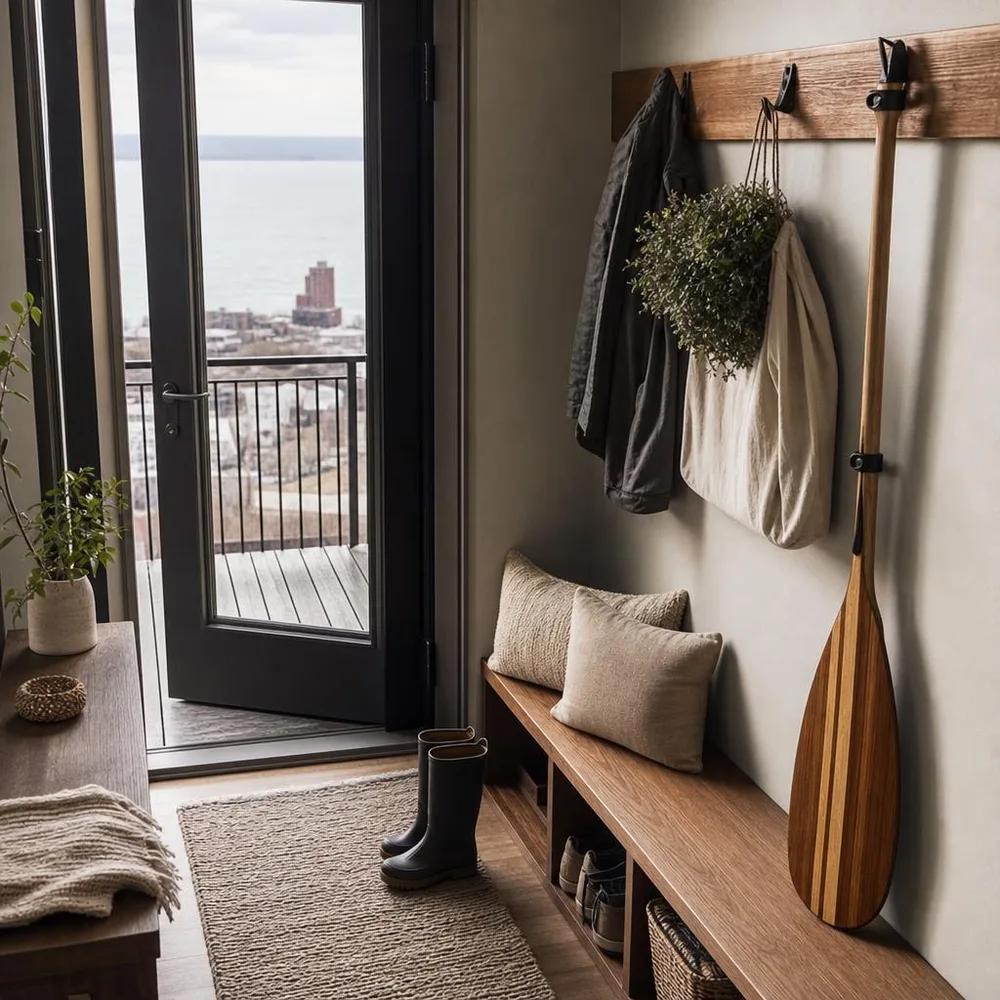
A Duluth extended stay asks more of a furnished rental than a simple bed and desk. Near Lake Superior, weather can push damp layers, muddy boots, skis, paddles, and daypacks into the doorway at all hours, so the right month-long setup is really about storage, circulation, and surface protection as much as furniture. is for calendar-month or longer furnished stays, which means the exact start and end dates, any written extension, and the actual agreement terms matter from the outset. If you are comparing a furnished apartment, condo, or house for a longer stay, the first question in Duluth is often not the view. It is where the wet things go, and whether the home can handle them without damage or daily frustration.
 is for calendar-month or longer furnished stays, which means the exact start and end dates, any written extension, and the actual agreement terms matter from the outset. If you are comparing a furnished apartment, condo, or house for a longer stay, the first question in Duluth is often not the view. It is where the wet things go, and whether the home can handle them without damage or daily frustration.
Why Duluth changes the storage conversation
Duluth’s geography shapes day-to-day living in a way that many inland cities do not. People often move between harbor areas, the hill neighborhoods, the Lakewalk, and trail access points with gear that is bulky, damp, or both. Winter layers can take time to dry. Spring thaw and summer rain can turn a regular entry into a bottleneck. That makes storage permission more than a nice-to-have detail. It can determine whether a furnished place feels orderly or constantly cluttered.
In a monthly stay, the goal is not to bring every piece of outdoor equipment indoors and hope for the best. It is to confirm whether the property has a place for the items you actually plan to use, and whether the host or property manager is comfortable with that use. Some furnished homes have a mudroom, garage access, basement nook, utility closet, or enclosed porch. Others have only a narrow entry and a few hooks. Those differences matter when your coat is wet, your boots need air circulation, and your paddle or snowshoes need to sit somewhere that will not scuff walls or floorboards.
Start with the entry path, not the living room
Before you ask about scenic windows or a second bedroom, look at how you will move from outside to inside. In Duluth, the entry sequence can be the difference between a smooth routine and a daily cleanup project. Ask how a person enters carrying a backpack, a pair of boots, and a wet jacket. Is there a bench? Is there room to stand without blocking the door? Is the flooring hard-surface and easy to wipe down, or does it transition immediately to carpeting that should stay dry?
Pay attention to circulation. A furnished stay can feel spacious on paper but still be awkward if the entry opens into a tight hallway, narrow kitchen, or crowded furniture layout. If you will be arriving with outdoor gear, the path from the door to storage should be direct and unobstructed. Consider whether there is space to close the door behind you, remove wet items, and set them aside without tracking water through the unit.
- Ask where wet boots, coats, and gloves are expected to dry.
- Confirm whether a bench, rug, drip tray, or boot mat is already provided.
- Check whether your gear can stay near the entry without blocking fire exits or shared hallways.
- Find out whether the unit has a mudroom, locker-style closet, garage corner, or enclosed porch that is actually available for guest use.
Permission matters: ask before you assume gear storage is included
A common mistake in furnished rentals is assuming that because a property is labeled furnished, it also includes practical storage for sports or weather gear. That is not something to guess. For a month-long Duluth stay, you should ask directly what kinds of items the property owner or manager permits on site and where they should be kept. That question is especially important if you plan to bring skis, bikes, kayaks, climbing equipment, or multiple sets of outerwear.
helps readers find monthly furnished stays and contact property providers, so the conversation belongs in the agreement stage. If the home has storage, confirm whether it is private or shared, whether it is locked, and whether access depends on a garage code, basement key, or landlord approval. If storage is not included, it is better to know before arrival than to discover you have nowhere to put a wet duffel bag after a long drive.
Do not rely on assumptions about closets, utility rooms, or basement space. Furnished homes sometimes have owner-only storage, seasonal items, or fragile surfaces that are not meant for guest gear. A practical question is not just “Is there storage?” but “Which storage spaces are for guest use, and what items are not allowed there?” That helps prevent misunderstandings about damp equipment, chemicals, mud, salt residue, or heavy loads on shelves and flooring.
Protect the furnished surfaces you are borrowing
Long stays are easier when you think like a careful temporary resident rather than a short-term visitor. Furnished surfaces in kitchens, living rooms, and bedrooms are often chosen for appearance, not for repeated contact with wet equipment. In Duluth, protection needs to start at the threshold. Keep a wipeable mat, a towel, or a boot tray in mind if one is not provided, and ask before adding any item that could stain, trap moisture, or leave marks on wood, paint, or upholstery.
The issue is not only mess. Salt, sand, lake spray, and damp fabric can wear on flooring and furniture over a month or longer. A sofa arm can absorb moisture from a jacket. A wood table can warp if wet items are set down repeatedly. Even a well-organized home can be vulnerable if your gear routine is not planned. The best monthly setup is one where the home’s existing furnishings and your outdoor routine fit together without constant cleanup or special handling.
- Keep wet coats off upholstered chairs and beds unless the host explicitly provides a place for them.
- Use a designated spot for boots so they do not sit directly on carpet or bare wood.
- Ask whether you may use hangers, hooks, or over-the-door racks, and whether any wall surfaces should not be altered.
- Clarify how to dry gloves, liners, and other small items without using radiators, vents, or furniture not meant for drying.
A hypothetical household example
For example, a hypothetical two-person household plans a six-week Duluth stay around paddle outings and cool-weather hikes. They need space for two rain shells, waterproof boots, a folding cart, two daypacks, and a paddle case. They do not need a nightly hotel setup; they need a calendar-month furnished stay with predictable storage and an entry that can handle damp gear. Before accepting an agreement, they ask whether the unit includes a mudroom or covered entry, whether the basement is guest-accessible, and whether the owner permits a paddle to be kept in a closet or garage corner.
In this hypothetical, the household also checks how the layout affects daily movement. If one person comes in through the kitchen while the other is still drying boots by the door, does the space still function? If the home has fragile decor near the entry, are there enough practical alternatives? The right answer is not always a bigger place. Sometimes it is simply a better sequence of door, bench, storage, and drying area.
Use a decision framework before you commit
When you compare Duluth furnished stays, it helps to use a simple framework instead of reacting to photos or décor. Ask yourself whether the unit fits the actual way you live with outdoor gear. That means weighing storage, surface protection, and circulation alongside location and bedroom count.
- Need: Do you require a dedicated place for wet coats, boots, or bulky equipment every day?
- Access: Is that space private, shared, locked, or off-limits?
- Flow: Can you enter, remove gear, and move through the home without congestion?
- Surface risk: Are floors, walls, and furniture protected from dampness and abrasion?
- Agreement fit: Are the storage permissions and any house rules stated clearly in the written terms?
This framework also helps you compare a furnished monthly stay with a short-stay hotel or motel alternative. A hotel may be simpler for a few nights, but a calendar-month furnished rental can be far better when you need room for repeated drying, sorting, and storage. The tradeoff is that monthly furnished stays require more advance clarification. The convenience comes from having the right setup, not from assuming the setup will work on arrival.
Arrival and agreement checklist for a Duluth monthly stay
Use this practical checklist before you arrive, and keep it tied to the written agreement rather than informal messages alone. If any answer is unclear, ask for clarification before the start date so the expectations are not left to chance.
- Confirm the exact start date, end date, and any written extension process for the month-long stay.
- Verify which entry door you will use and how you will carry wet gear through the space.
- Ask whether guest use of a mudroom, garage, basement, porch, or utility area is permitted.
- Check whether hooks, mats, boot trays, hangers, or drying racks are already provided or may be added.
- Clarify which items are not allowed on furniture, floors, or walls because of moisture, weight, or damage risk.
- Identify where outdoor equipment should be stored overnight and whether that location is private or shared.
- Review cleaning expectations for mud, sand, salt, and wet fabric before departure.
- Keep the provider’s contact details handy in case you need to confirm a storage question after move-in.
Finding the right provider, and what to ask next
When you are ready to compare monthly furnished options in Duluth, use the search tools at search to identify stays that fit a calendar-month or longer timeline, then ask the provider specific questions about gear storage and entry circulation. If you have a property in Duluth that has the right mudroom, garage access, or entry layout for long-stay guests, list your place here so monthly travelers can find it and ask informed questions.
For a broader Minnesota context on furnished monthly rentals, the older state guide, Furnished Monthly Rentals in Minnesota, is useful for understanding how monthly stays differ from short-term lodging across the state. For Duluth specifically, the practical issue remains the same: do the furnishings support real daily use, including damp coats, outdoor gear, and a clean entry routine, or do they only look ready from a distance? The best monthly stay is the one that answers that question clearly before you sign.
Make your next month feel more settled.
Related reading
Rochester Recovery Stays: Check the Bathroom First
How to judge Rochester monthly stays for recovery by inspecting bathroom layout, transfer space, and caregiver workflow before you contact an owner.

A relocation checklist for your temporary home
A steady, step-by-step plan for finding a place, organizing arrival and making the first few days in a new city less hectic.