Laramie Furnished Rentals for a Research Field Season
Plan a Laramie furnished base for a research field season with gear storage, laundry, quiet work time, written extensions, and stay terms that fit changing field days.
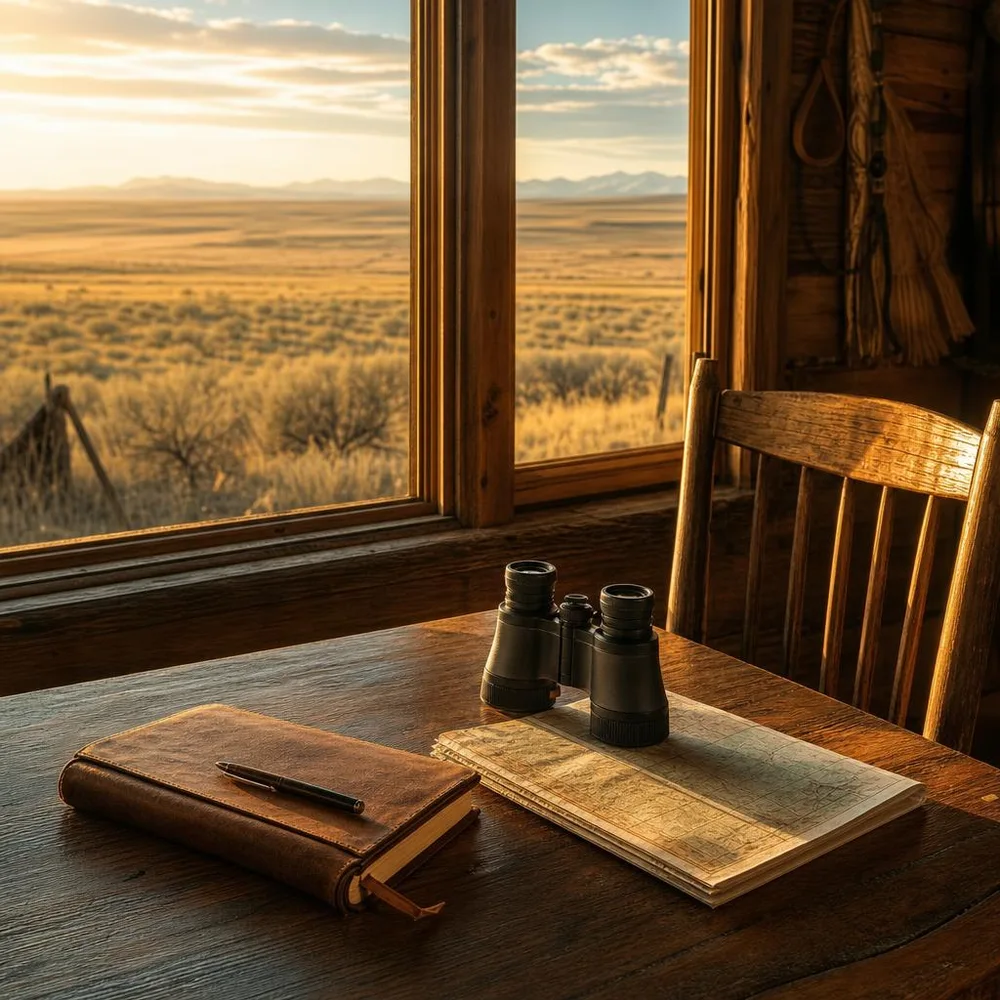
A research season in Laramie asks for a different kind of temporary home than a weekend visit or a standard year lease. Field days can shift, data-entry nights can run long, and equipment often needs a place to dry, charge, sort, and stay out of the way. For a stay of a calendar month or longer, the useful question is not simply whether a place is furnished, but whether the actual agreement can support changing schedules, a steady work surface, and the practical details that keep a project moving.
What a Laramie research base needs to do
Laramie’s appeal for a field season is tied to function as much as setting. You may be splitting time between campus, archives, labs, trailheads, local partners, and back-and-forth travel that starts early or ends late. A monthly furnished stay should make it easier to keep a research rhythm: wake up, work quietly, leave with gear, return without disrupting a household, and resume note review or file uploads at night. That is different from short-stay lodging, where the main job is a place to sleep and reset for a few nights. In a calendar-month stay, the accommodation itself becomes part of your workflow.
Because helps readers find monthly furnished stays and contact property providers, the useful comparison is not to nightly inventory but to the longer, written arrangement you actually need. A hotel can be useful for a transition week or a gap between agreements, but it usually does not solve gear storage, laundry cycles, or a quiet place to spread out maps and specimen logs. A longer furnished rental may do those things better, but only if the household rules and extension terms are clear before you arrive.
 helps readers find monthly furnished stays and contact property providers, the useful comparison is not to nightly inventory but to the longer, written arrangement you actually need. A hotel can be useful for a transition week or a gap between agreements, but it usually does not solve gear storage, laundry cycles, or a quiet place to spread out maps and specimen logs. A longer furnished rental may do those things better, but only if the household rules and extension terms are clear before you arrive.
Quiet work matters more than a scenic view
For a field season, the best desk is often the most boring one: stable chair, reliable lighting, enough outlet access, and a room where calls or transcription do not compete with kitchen traffic. In Laramie, the most valuable question is not whether the view is attractive, but whether the room arrangement supports concentrated work when weather, travel, or sampling forces a plan change. Ask how many people are expected to use the same common area, whether there is an actual desk rather than a decorative table, and whether the internet arrangement is already in place for regular uploads or video check-ins.
Noise and privacy matter because research work is uneven. Some days you only need a place to sleep. Other days require reviewing field notes, reformatting spreadsheets, drying gear, and meeting a remote team at odd hours. If the stay is in a shared house, the agreement should spell out what counts as quiet use of common space, how guests are handled, and whether you can leave instruments or samples in a locked area. Those details often matter more than a larger square footage number.
Gear permissions and storage should be explicit
Field seasons create friction when the rental looks suitable but the rules are vague. Before signing, ask about the objects you actually travel with: boots, outer layers, coolers, sample cases, cameras, tripods, batteries, drying racks, and possibly a vehicle with extra cargo. Some hosts are comfortable with a mudroom, garage bay, utility sink, or covered entry; others are not. If you need indoor drying space or a place for damp gear that will not stain flooring, that should be written into the agreement rather than left as a verbal expectation.
- What gear can be stored indoors, in a garage, or in a lockable room?
- Is there a laundry setup that can handle frequent washing, and are any use limits written down?
- Can wet or dirty field items be cleaned or staged on site without disturbing other occupants?
- Are charging stations, extension-cord use, or battery storage rules already stated?
- If you need to leave during the day and return late, what is the key, lock, or access arrangement?
If you are comparing options through search results on , focus on the agreement details attached to the stay rather than the marketing language alone. If you are an owner with a property that fits research or university-related monthly occupancy, list your place here so the property description can be matched to the stay length and use case that matters.
Laundry, drying, and the reality of repetitive field days
Laundry is not a minor comfort issue when your schedule changes daily. A field season often means repeated laundering of work clothes, towels, base layers, and gear covers. Drying space can be just as important as the washer and dryer themselves. A basement line, utility room, mudroom hook, or sturdy drying rack can make the difference between an orderly routine and a pile of damp items taking over the living room. Ask whether the equipment is in-unit, shared, coin-operated, or scheduled, because each setup affects how easily you can reset for the next day.
This is also where monthly furnished stays differ from short-stay lodging. A hotel may let you wash one load, but a month-long research stay usually requires a repeatable routine and enough space to keep clean and dirty items separate. If you are traveling with field partners, clarify how laundry access works when more than one person needs to rotate clothing and equipment. A cramped setup can become a source of delays, not just inconvenience.
Written extensions and exact dates are not optional
For a research season, start and end dates matter. February can be a full month, and a calendar-month stay may begin and end on exact dates that do not follow a simple 30-day pattern. If your field schedule is uncertain, the agreement should explain how extensions are requested, when notice must be given, whether a written renewal is required, and what happens if your departure date shifts. Do not assume a provider will automatically hold the place; do not assume a casual message is enough to change the terms. Written extensions protect both sides when work plans move.
A useful way to think about the stay is to separate three questions: what date you need the place, what date you might need it longer, and what proof of the extension will exist. If the answer to the last question is “just a conversation,” that is a weak setup for a season built around changing field days. A clear written extension can keep the housing side from becoming a second project.
A practical decision framework for Laramie stays
Use this framework to compare furnished monthly options without getting distracted by finishes or generic amenity lists:
- First, confirm the stay length you actually need and whether the agreement covers a calendar month or longer, not a nightly booking model.
- Second, match the space to your work pattern: one quiet desk, stable internet setup, laundry access, and a place for gear.
- Third, decide whether shared or private common areas fit the number of people in your party and the amount of equipment you will bring.
- Fourth, check whether written extension terms are simple enough for a changing field season.
- Fifth, compare the rental to hotel or short-stay alternatives only as a bridge option, not as a substitute for a true monthly base.
For example, a hypothetical geoscience team member may need a furnished one-bedroom for six weeks, with a desk for evening mapping, indoor storage for sample cases, and permission to rinse muddy boots in a utility area. In that case, a smaller place with good work function may be better than a larger place without storage rules or a dependable laundry setup. The best choice is the one that reduces daily friction.
Arrival and agreement checklist for the first day
Before moving in, use a simple arrival checklist so the stay starts cleanly and does not depend on memory alone:
- Confirm the exact start date, end date, and any written extension process.
- Walk through what furniture, linens, cookware, and office space are included.
- Ask where to park, store gear, and set damp or dirty items without damaging surfaces.
- Test the desk area, lighting, outlets, and internet access for work needs.
- Locate laundry equipment, detergent rules, and any scheduled-use expectations.
- Clarify key return, guest, trash, and quiet-hour arrangements in writing.
- Photograph the condition of the space at move-in if both sides agree to do so.
- Keep the provider’s contact details and the stay terms together in one place.
If arrival timing is uncertain because of a field schedule or a route that may change, use caution and check current travel updates close to departure. The WYDOT 511 information page is useful to verify current road and closure information before you commit to a driving plan, but it does not replace your housing agreement or create any guarantee about your arrival time.
A Laramie stay works best when the house supports the project
The right furnished rental for a Laramie research season is less about lifestyle and more about operational fit. If the house supports quiet work, gear handling, laundry, and a clear written extension path, it can make a changing field schedule far easier to manage. If those features are missing, even a good location can become inefficient. The older Wyoming furnished monthly rentals guide can help frame statewide search habits, but the final decision for a research season should always come back to the actual terms, the practical space, and whether the stay fits the pace of your work.
Make your next month feel more settled.
Related reading
Wyoming Arrival Days: Leave Room for Road Closures
Plan Wyoming monthly-stay arrivals around road closures, using WYDOT 511, closure reports, and a city-specific arrival window checklist.

A relocation checklist for your temporary home
A steady, step-by-step plan for finding a place, organizing arrival and making the first few days in a new city less hectic.