Knoxville Furnished Rooms: Living With an On-Site Owner
How to evaluate a Knoxville furnished room in an owner-occupied home: kitchen rules, visitors, working hours, storage, and a written shared-space routine.
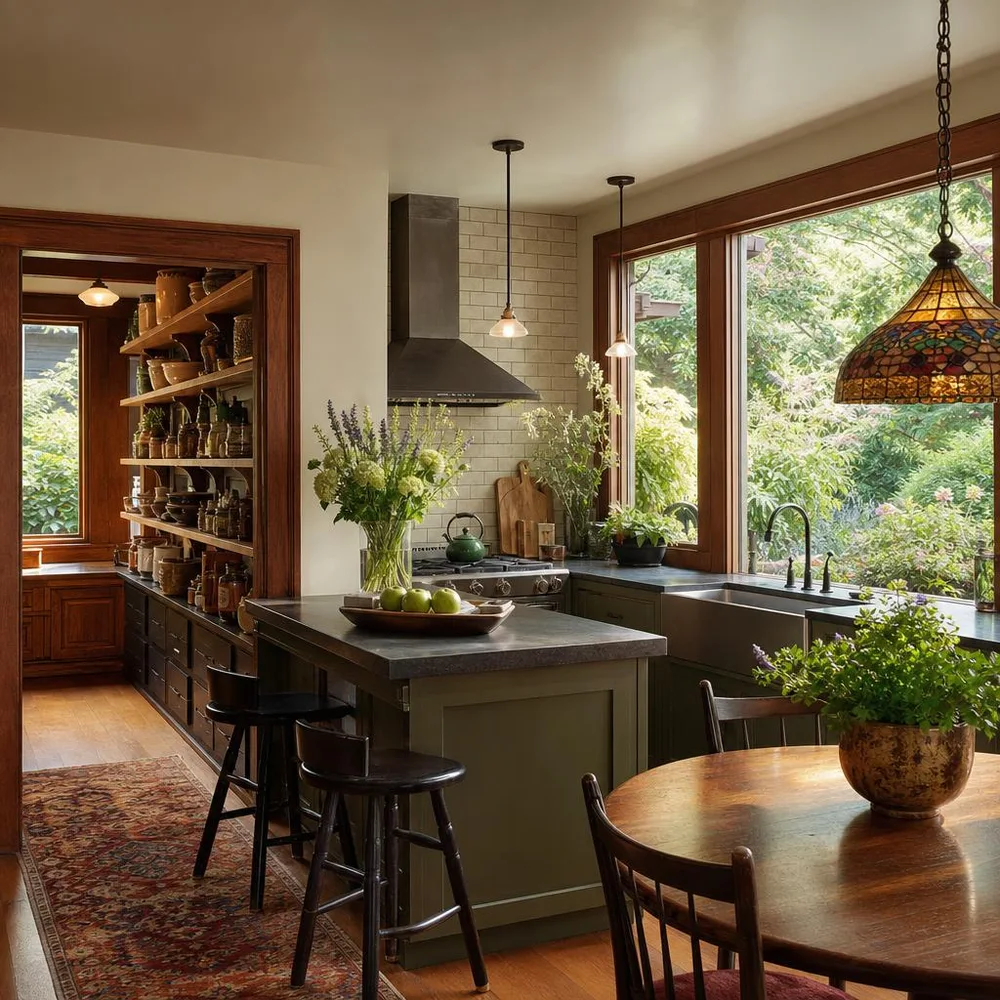
A furnished room in Knoxville can feel very different from a standalone apartment. In an owner-occupied home, the question is not only whether the bedroom is comfortable for a calendar-month stay, but whether the day-to-day rhythm of the house fits the way you live. That matters in Knoxville because many monthlong guests are arriving for a temporary assignment, a transition between homes, or a season of focused work, and the success of the stay often depends less on décor than on shared expectations. Before you compare properties on , use the search page at https://monthnmore.com/search to look for monthly furnished stays, then slow down and evaluate how the kitchen, visitors, work hours, storage, and house routines would actually function once you move in.
 , use the search page at https://monthnmore.com/search to look for monthly furnished stays, then slow down and evaluate how the kitchen, visitors, work hours, storage, and house routines would actually function once you move in.
Why owner-occupied rooms require a different kind of screening
An owner-occupied room is not the same as a short-stay hotel room and not the same as a whole-home monthly rental. You are usually sharing more than walls: entryways, pantry space, laundry times, noise expectations, and sometimes the owner’s daily routines. That can be a real advantage if you value stability, a lived-in kitchen, and a more personal household environment. It can also create friction if the boundaries are vague. For a calendar-month or longer stay, the practical question is whether the home works like a respectful shared residence, not whether it looks pleasant in photos.
Knoxville’s neighborhood mix adds another layer. A room near downtown, Old North Knoxville, Sequoyah Hills, or around the University of Tennessee area may fit different schedules and travel patterns, but the location alone does not tell you how the house operates. A room can be close to your destination and still be a poor match if the owner’s routine conflicts with yours. The right comparison is not just neighborhood convenience; it is whether shared living rules are clear enough to support an extended stay.
Start with the kitchen: access is more important than appearance
For many monthly guests, kitchen access decides whether a room is workable. In an owner-occupied home, the word “access” can mean several different things: full use of the kitchen at any hour, limited cooking windows, shelf-only storage, or use of appliances only when the owner is home. None of these is automatically wrong, but each changes how you would live for a month or longer.
- Ask whether you may cook every day or only simple meals.
- Ask how refrigerator, freezer, and pantry space are divided.
- Ask whether there are labeled shelves, bins, or cabinets reserved for guests.
- Ask whether you may use the oven, dishwasher, coffee maker, or shared cookware.
- Ask whether cleanup expectations are immediate, same-day, or on a posted schedule.
A useful follow-up is to ask what the kitchen routine looks like on ordinary weekdays, not just on weekends. If the owner works from home, prepares meals at certain times, or has another tenant in the property, the kitchen may feel crowded unless the routine is written down. A room with modest cooking privileges can still work well if the arrangement is explicit. A room with generous kitchen access can become frustrating if nothing is labeled and everyone assumes different standards.
Visitors, guests, and the difference between a room and a private suite
Visitor rules are one of the most important topics to clarify before arrival. In an owner-occupied house, the presence of friends, partners, relatives, or coworkers can affect privacy, parking, shared bathrooms, and noise. Even if your room is furnished and comfortable, the stay may feel cramped if the household expects a very low-traffic environment while you expect occasional visitors.
Do not assume that a monthlong room automatically allows the same visitor pattern you might have in your own home. Ask how the owner defines daytime visitors, overnight guests, and social visits. If you are planning to work remotely, host a relative for dinner, or have a partner stay occasionally, bring that up before you agree to the stay. A written answer is better than a casual verbal assurance, because “no problem” can mean very different things to different people.
For a Knoxville room in a shared home, you should also ask whether visitors may use shared spaces, whether they need advance notice, and whether there are limits on parking or quiet hours when guests are present. The goal is not to negotiate a perfect social life; it is to avoid discovering, after you move in, that the home operates more like a near-private boarding arrangement than a flexible shared residence.
Working hours, quiet time, and when the house is truly quiet
If you need to sleep early, take calls, study, or work from the room during the day, the owner’s work schedule matters. An owner-occupied home may be quiet at midday and active at dawn, or the reverse. Some owners leave for most of the day and return late. Others work from home, take frequent calls, or manage pets and deliveries. None of that is necessarily a problem, but it should be part of the decision.
Ask when the house is usually busiest and whether any rooms are used for work calls, meetings, or caregiving. If you will be on night shift, ask whether the household supports a late-sleep schedule. If you plan to work remotely, ask where sound travels most strongly in the home and whether there is a predictable quiet window. The best monthly rooms are not just furnished; they are predictable.
A useful tradeoff to consider is this: a household with an active owner may offer better responsiveness if something needs attention, but it may also require more adaptation from the guest. A quieter owner schedule may create more independence but less day-to-day contact. Decide which matters more for your monthlong stay.
Storage, locks, and what you can reasonably leave behind
Storage is easy to underestimate until move-in day. For a calendar-month stay, you need more than a place to sleep; you need a system for clothing, luggage, toiletries, work materials, and perhaps sports gear or a bike. Ask how much closet space is dedicated to the guest room, whether drawers are empty, and whether there is room for larger items outside the bedroom.
If you expect to keep seasonal clothing, a suitcase, or equipment on-site, ask where it would live and whether the home has a secure place for valuables. Also ask whether there are house rules about labeling food, keeping surfaces clear, or storing items in shared areas. In a home with an on-site owner, visible clutter can affect the comfort of everyone in the house more quickly than it might in a full apartment.
- Confirm which storage belongs exclusively to you and which belongs to the owner.
- Ask where luggage goes after unpacking.
- Ask whether you may store food in the kitchen long-term.
- Ask whether linens, cleaning supplies, and household items are shared or separate.
- Ask if there is a place for packages, sports gear, or work equipment.
A written shared-space routine protects both sides
For monthlong stays, a shared-space routine is more useful than a vague promise to “respect the house.” The routine does not need to be formal or legalistic, but it should answer daily-life questions in writing. That includes kitchen use, laundry timing, bathroom cleaning expectations, visitor notice, thermostat habits, trash and recycling, and whether shoes are worn indoors. The more ordinary the issue, the more important it is to write it down.
For example, a monthly guest might agree to use the kitchen between certain hours for noisy cooking, to keep one refrigerator shelf and one pantry shelf, to run laundry on prearranged days, and to give notice before any overnight guest visits. The owner might agree to keep one cabinet empty, maintain a stable quiet period, and explain how locks, keys, or entry codes work. A clear routine prevents both sides from guessing what “shared” means.
If you are using to locate a furnished room, remember that the platform helps you find monthly furnished stays and contact property providers; it does not replace the need to confirm the actual terms of the arrangement. If you are an owner with an extra room in Knoxville, you can share your monthly stay on https://monthnmore.com/list-your-place and be specific about the house routine rather than assuming guests will infer it from the photos.
Hypothetical example: a Knoxville guest who works hybrid hours
For a hypothetical guest, imagine someone arriving in Knoxville for a three-month transition between housing options and working two days a week from home. The room is in an owner-occupied house not far from the urban core, and the bedroom itself is attractive and fully furnished. The deciding factors are not the bed or desk alone. The guest needs to know whether morning kitchen use will overlap with the owner’s breakfast routine, whether remote meetings can happen without interruption, and whether there is a locked place for a laptop and paperwork. In this example, the guest should not choose the room just because it looks tidy; they should choose it only if the owner can describe a repeatable daily pattern that fits remote work, meal prep, and storage needs.
A simple decision framework for Knoxville rooms
Use this framework to decide whether an owner-occupied room is a fit before you commit to a calendar-month stay:
- Kitchen fit: Can you cook the way you actually eat, with the storage and appliance access you need?
- Privacy fit: Are visitor rules, quiet hours, and bathroom use clear enough for your schedule?
- Schedule fit: Does the owner’s working pattern complement or conflict with yours?
- Storage fit: Is there enough dedicated space for clothing, luggage, food, and work items?
- Routine fit: Can the shared-space rules be written down and realistically followed for the whole stay?
If two or more of these categories feel uncertain, keep looking. A room that is only a partial fit can become exhausting over a month or longer, especially when the household has not discussed ordinary habits in advance. If all five categories are clear, the room is much more likely to support a calm and workable stay.
Arrival and agreement checklist before you settle in
Use this checklist when you are ready to finalize a monthly furnished room in Knoxville:
- Confirm the written start and end dates for the calendar-month stay and any extension terms.
- Review kitchen access, pantry and refrigerator space, and cleanup expectations.
- Confirm visitor rules, including daytime visitors and overnight guests if relevant.
- Ask about the owner’s working hours and the home’s quiet periods.
- Identify your dedicated storage space and whether anything must remain locked or off-limits.
- Clarify laundry use, trash routines, thermostat expectations, and parking if applicable.
- Make sure any shared-space routine is written down before move-in.
- Re-read the actual agreement terms and ask questions about anything vague.
If you want broader background on monthly furnished stays across the state, the older Tennessee guide at https://blog.monthnmore.com/articles/furnished-monthly-rentals-in-tennessee/ is a useful companion piece for thinking through Tennessee-specific monthly housing choices. For Knoxville rooms in particular, though, the local question is always the same: can you share a home with the owner in a way that feels orderly, respectful, and sustainable for the full stay? When the kitchen rules, visitor expectations, work hours, storage, and written routine are all clear, a furnished room can be an efficient and comfortable solution for a month or more.
Make your next month feel more settled.
Related reading

Nashville Music Stays: Agree on Practice Before Arrival
How Nashville musicians and hosts can agree on practice hours, instrument setup, and noise expectations before a monthly stay begins.

A relocation checklist for your temporary home
A steady, step-by-step plan for finding a place, organizing arrival and making the first few days in a new city less hectic.