Monthly rentals for night-shift workers
Check daytime sleep conditions, parking, entry routes and household schedules when choosing monthly housing for regular overnight work.
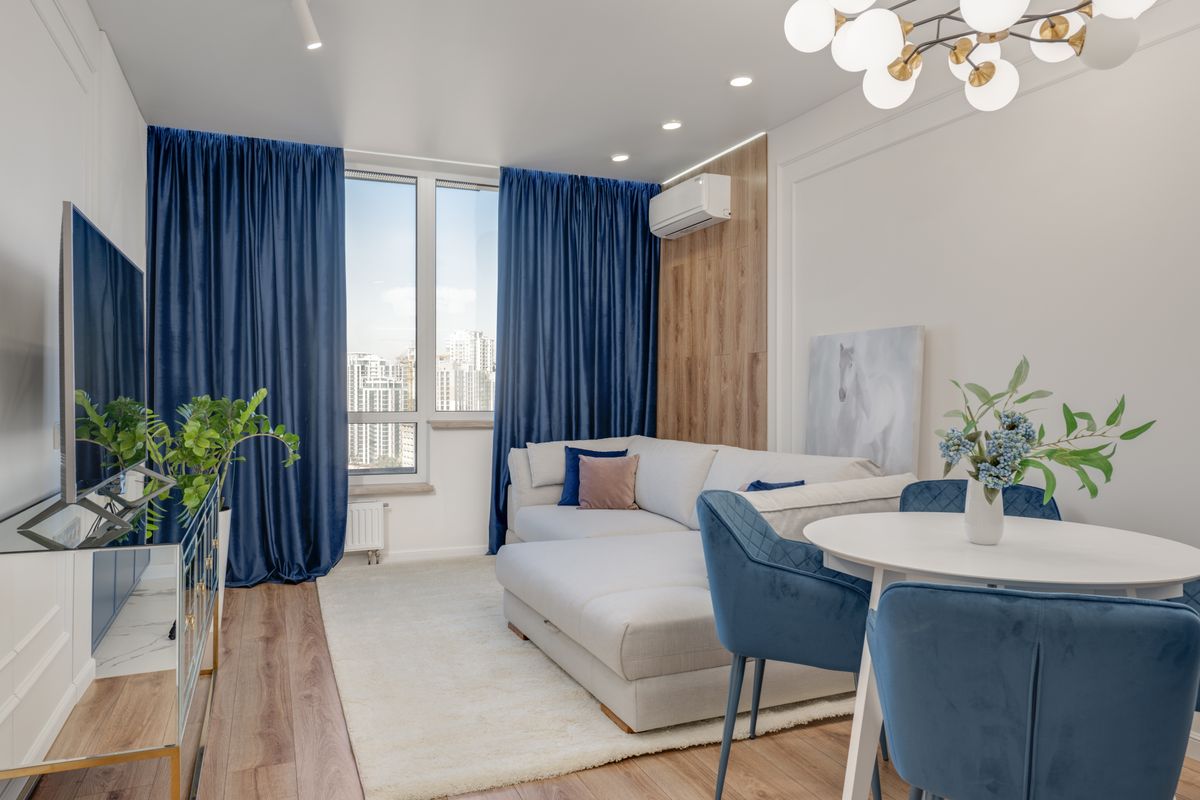
Night-shift housing needs differ from ordinary evening-and-weekend routines. A home that feels quiet at a daytime viewing may become busy during your sleep hours, while a convenient front entrance may sit beside the bedroom window. For a monthly stay, those details affect everyday recovery and comfort.
Begin with your real schedule, including travel time, meals and the period when you normally sleep. You do not need to share private employment details to explain a practical requirement. Tell the owner that you work overnight and ask about the conditions likely to affect daytime rest.
Investigate daytime activity
Ask about routine noise from shared kitchens, laundry, deliveries, landscaping and nearby construction. Known schedules are more useful than a general statement that a neighborhood is quiet. A property beside a school entrance may have different activity patterns from one beside evening entertainment.
If possible, assess the location during your intended sleep hours. A video tour cannot accurately reproduce all noise, but it can reveal the bedroom’s relationship to shared areas and the street. Do not treat a single quiet moment as proof of a consistently quiet environment.
Examine bedroom light control
Ask what window coverings are installed and whether they substantially reduce daylight. Decorative curtains may provide privacy without making the room dark. If you bring a removable sleep aid, confirm that it is permitted and will not damage the property.
Check whether light enters from a hallway, glass door or another room as well as the main window. Consider how ventilation and temperature work with curtains closed. Do not block safety features or exits to create darkness, and follow relevant equipment guidance rather than improvising unsafe coverings.
Discuss shared-home routines
For a private-room rental, explain when you sleep and ask about the household’s ordinary activity. The goal is compatibility, not an expectation that other residents stop living normally. Confirm laundry hours, kitchen access and any quiet-hours policy.
Ask where your bedroom sits relative to the common areas. A room next to the only bathroom may involve more daytime traffic than one at the end of a corridor. A clear description can help you judge the fit without requesting personal details about every occupant.
Plan late entry and early departure
Verify that building access and parking work at your travel times. Ask whether gates, elevators or reception services have restricted hours. If you will leave or return while others sleep, understand how to use doors and common areas without disturbing them unnecessarily.
Do not assume a staff desk is available around the clock because the building looks large. Confirm the contact route for an access problem and keep a realistic backup. A long walk from distant parking may also matter after an overnight shift, so assess the actual route.
Consider food and recovery routines
Check whether you can prepare a meal at the times you need and whether cooking noise is a concern in shared housing. Refrigerator space and a workable place to eat can be more useful than an elaborate kitchen you cannot comfortably use after work.
Keep your own sleep and health needs separate from the rental description. If you need medical advice about shift work, consult an appropriate professional. An owner can describe the room and household routine, but cannot determine whether the environment meets an individual health requirement.
Compare compatibility, not labels
Terms such as “ideal for professionals” do not answer night-shift questions. Compare actual daylight control, room placement, entry access and household schedules. If several essential conditions remain uncertain, keep searching rather than relying on a broad marketing phrase.
Browse furnished monthly stays with your work hours in mind. Owners can list a place and describe practical noise and access conditions honestly, allowing night-shift renters to judge compatibility without promising silence or uninterrupted sleep.
Make your next month feel more settled.
Related reading

Bedroom light in a monthly rental: what to check
Evaluate daylight, window coverings and nighttime light in a furnished rental so the bedroom matches your sleeping schedule and privacy needs.

Keys, fobs and building access for monthly renters
Confirm the keys, fobs, gates, shared entrances and replacement procedures you need for a furnished monthly stay before arrival.